
Apoballis brevipes
Apoballis brevipes
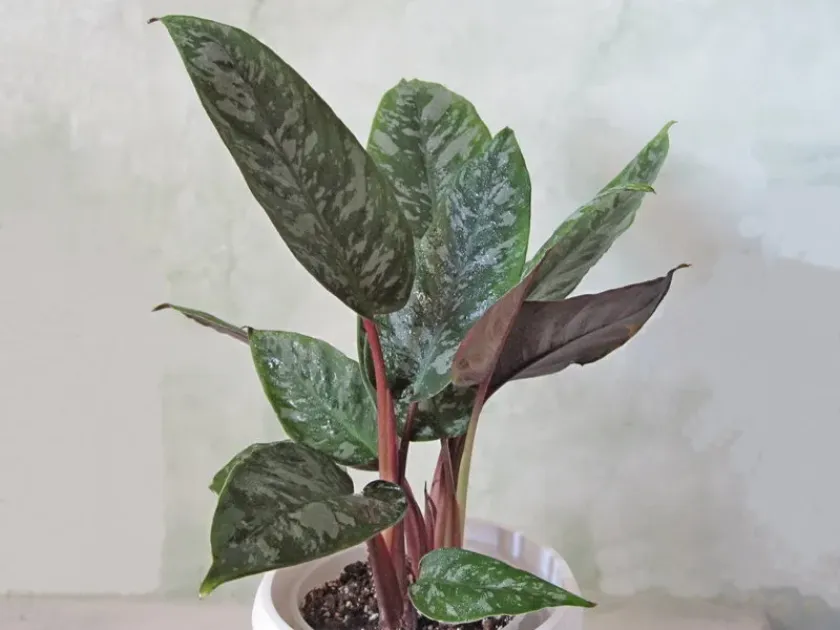
Description
Growing requirements
Apoballis brevipes is a member of the Araceae family, originating from the dense, humid rainforests of Southeast Asia, particularly thriving in regions like Borneo.
This crop requires specific environmental conditions, including consistently warm temperatures ranging between 20 and 26 degrees Celsius to maintain healthy vegetative growth.
The soil structure must be loose, porous, and highly organic. A mixture consisting of peat moss, pine bark, and perlite is recommended to ensure both moisture retention and proper aeration for the roots.
Botanically, this species is noted for its compact growth habit and distinct leaf patterns. It is characterized by its short, rhizomatous stem and broad, elegant foliage that adds significant ornamental value.
Lighting requirements are strict: the plant performs best under bright, indirect light. Excessive exposure to direct sunlight will cause the leaves to scorch and lose their vibrant coloration.
Main diseases and pests
Common pests affecting Apoballis brevipes include spider mites, which are particularly prevalent in environments with low air humidity and poor ventilation.
Mealybugs can also pose a threat by colonizing the undersides of leaves and leaf axils, potentially weakening the plant if not controlled with appropriate systemic insecticides.
Root rot remains the most serious pathological issue, usually triggered by waterlogging, poorly draining substrates, or the lack of proper oxygen access to the root zone.
Preventative measures are essential, such as maintaining appropriate hygiene, regular cleaning of the foliage, and ensuring the pot has adequate drainage holes.
Early diagnosis is critical for effective management. If pests or fungal symptoms are detected, the plant should be quarantined and treated immediately with specific horticultural preparations.