
Apoballis acuminatissima
Apoballis acuminatissima (Schott) S. Y. Wong & P. C. Boyce
Description
Growing requirements
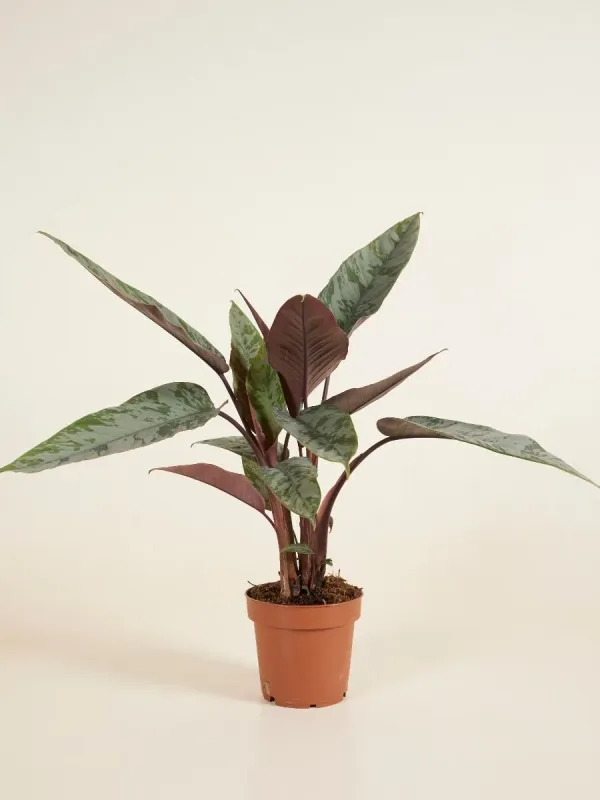
Apoballis acuminatissima is a tropical species within the Araceae family, native to the dense, humid rainforests of Southeast Asia. This herbaceous plant is highly regarded for its ornate, pointed leaves, which often display intricate patterns or variegation, making it a sought-after specimen for indoor collections.
Botanically, the species is characterized by its compact growth habit and fleshy, succulent-like petioles. It thrives best in a well-draining, nutrient-rich potting medium that mimics the forest floor substrate. Porosity is essential to prevent soil compaction and ensure oxygen circulation to the delicate root system.
The climate requirements for this plant include high relative humidity, typically exceeding 60%, and ambient temperatures between 22 and 28 degrees Celsius. Direct sunlight should be avoided as it can scorch the foliage; instead, bright, indirect light or filtered shade is optimal for maintaining leaf color and vigor.
From an agricultural and commercial perspective, Apoballis acuminatissima serves exclusively as an ornamental crop. It is produced by nurseries for the interior plant industry, terrariums, and botanical gardens, where it is used to provide a lush, tropical aesthetic in confined environments.
Cultural management involves careful irrigation, ensuring the growing medium is kept consistently moist but never waterlogged. Regular, dilute applications of a balanced liquid fertilizer during the growing season promote sustained development and the production of new leaves.
Main diseases and pests
Pest and disease pressures on this crop are primarily management-related. Root rot is the most significant pathological threat, typically induced by overwatering or poor drainage systems. It presents as leaf yellowing, wilting, and stem collapse if not treated immediately by adjusting moisture levels.
Common insect pests include spider mites, which thrive in low-humidity indoor environments and cause stippling and webbing on the foliage. Mealybugs and scale insects may also infest the plant, gathering in leaf axils where they are difficult to remove manually.
Effective management includes maintaining adequate ambient moisture and regular sanitation of the plant collection. Should pests appear, horticultural oils or systemic insecticides may be employed, following label directions to ensure plant safety. Fungicides are used sparingly, primarily as preventative treatments during periods of high humidity.