
Apiastrum angustifolium
Apiastrum angustifolium
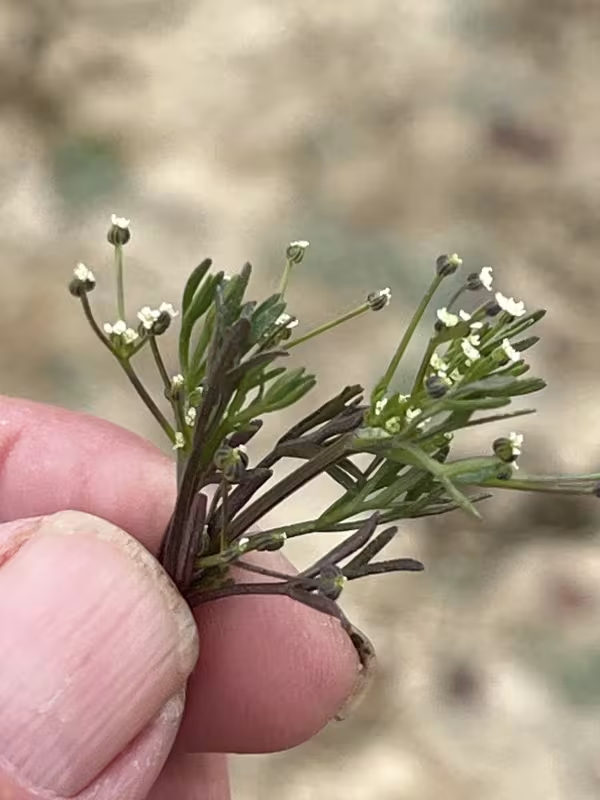
Description
Growing requirements
Apiastrum angustifolium, commonly known as wild mock parsley, is an annual herbaceous plant belonging to the Apiaceae family. It is native to the western regions of North America, particularly California, where it thrives in arid and semi-arid environments.
Botanically, the plant features a slender, branched stem with delicate, filiform leaves that are finely divided. This structure allows the plant to minimize water loss through transpiration, a critical adaptation for survival in its native dry habitats.
The cultivation of this species requires well-drained, sandy or gravelly soils that mirror its natural environment. Excessive nutrient load is generally unnecessary and can sometimes even inhibit the plant's natural growth cycles or promote excessive foliage at the expense of seed production.
Climatic requirements focus on open, sunny locations with protection from extreme cold or persistent moisture. The plant exhibits remarkable drought tolerance, making it a subject of interest for low-input agricultural systems in arid zones.
Agronomic practices for Apiastrum angustifolium emphasize shallow sowing, as the seeds are extremely small. Maintaining optimal soil moisture levels during the germination phase is essential, followed by a gradual reduction in irrigation as the plant reaches its maturity.
Main diseases and pests
Root rot and various fungal pathogens represent the primary threats to Apiastrum angustifolium crops, especially when soil drainage is compromised. These diseases often emerge following periods of high humidity or excessive irrigation.
Pest pressures primarily include aphids and spider mites, which can cause significant damage to the plant's delicate tissues. These insects are particularly detrimental during the early stages of development, potentially stalling growth entirely.
Management of these threats relies heavily on preventative measures, such as selecting sites with excellent drainage and practicing proper spacing. Adequate air circulation within the canopy is crucial for discouraging fungal infection development.
Integrated pest management (IPM) strategies, including the encouragement of beneficial insects, are highly recommended for the health of the crop. Chemical interventions should remain a last resort due to the sensitivity of this species.
Regular crop scouting is necessary to identify early signs of infestation or disease. Swift removal of infected plant material is an effective way to contain the spread of pathogens throughout the cultivated field.