
Aphloia
Aphloia theiformis
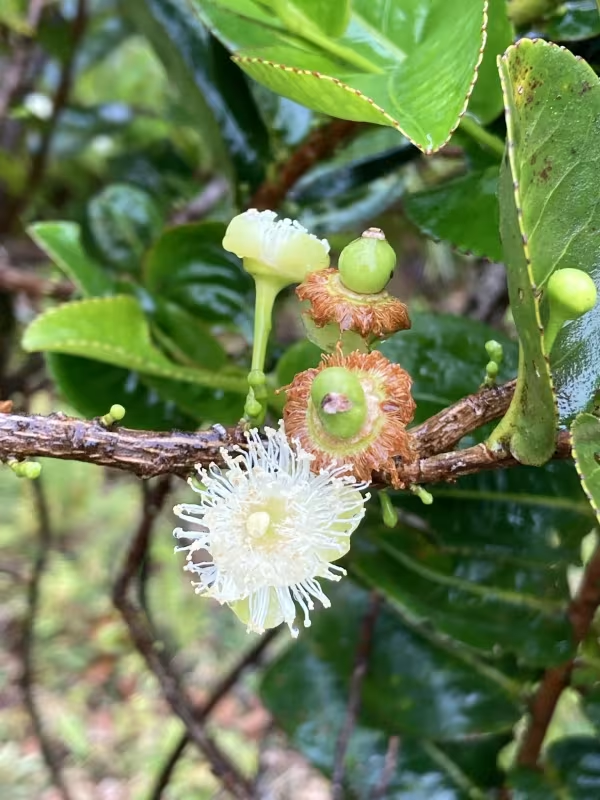
Description
Sowing dates
The propagation of Aphloia theiformis typically relies on seed germination under controlled environmental conditions. Seeds require a specific moisture regime to break dormancy.
Vegetative propagation via cuttings is the preferred commercial method. Cuttings are placed in a well-draining rooting medium and kept under high humidity to encourage root formation.
Sowing in a controlled nursery setting during the spring months allows for a higher success rate. A stable temperature is essential for early development and plant health.
Once seedlings have established a strong root system, they are transitioned to larger containers. Careful handling at this stage is vital to avoid damaging delicate root hairs.
Gradual acclimatization to outside conditions is necessary for plants grown in greenhouse settings before they are moved to their permanent field locations.
Growing requirements
Aphloia theiformis belongs to the Aphloiaceae family, characterized by its evergreen foliage and medicinal potential. It thrives in high-humidity tropical environments.
The plant prefers fertile, well-draining soil with a slightly acidic profile. Soil aeration is critical to prevent the compaction that can inhibit healthy root development.
While the plant enjoys warm temperatures, it is sensitive to direct, harsh sunlight. Partial shade or dappled light conditions are optimal for maintaining leaf quality.
Irrigation should be consistent but cautious. Preventing standing water is vital, as the species is highly susceptible to root rot if soil drainage is inadequate.
Regular fertilization with organic compost or balanced plant food supports vigorous vegetative growth, which is necessary for maximizing leaf yield.
Yield
The economic focus of Aphloia cultivation is the harvest of its leaves. These leaves are highly valued for their bioactive compounds, including potent antioxidants.
Harvesting is usually done by pruning the outer branches of the shrub. This technique helps maintain a compact, manageable form while ensuring continuous new growth.
A well-managed plantation can produce significant yields of leaf biomass. Efficient processing immediately after harvest is key to maintaining the plant's medicinal properties.
Plants generally reach a stage suitable for regular harvesting within a few years of establishment. Longevity of the shrub allows for multiple seasons of continuous production.
Yield metrics are closely tied to the density of planting and the frequency of pruning, which redirects the plant's energy toward developing new, nutrient-rich leaves.
Main diseases and pests
Fungal pathogens represent the most significant threat to Aphloia, particularly in regions where humidity levels remain constantly high without sufficient airflow.
Pest infestations, such as scale insects or spider mites, can damage leaf tissue. These pests are often managed through regular scouting and the use of targeted biological controls.
Root system disorders caused by overwatering can be devastating to the crop. Proper soil management and drainage infrastructure are the primary defenses against these diseases.
Nutrient deficiencies often present as leaf chlorosis or stunted growth. Routine soil testing helps growers apply targeted amendments to keep the plants healthy.
Environmental stress, such as extreme heat or unexpected cold snaps, can cause temporary dormancy or leaf drop, highlighting the need for protective measures in sensitive areas.