
Aphloia
Aphloia
Description
Growing requirements
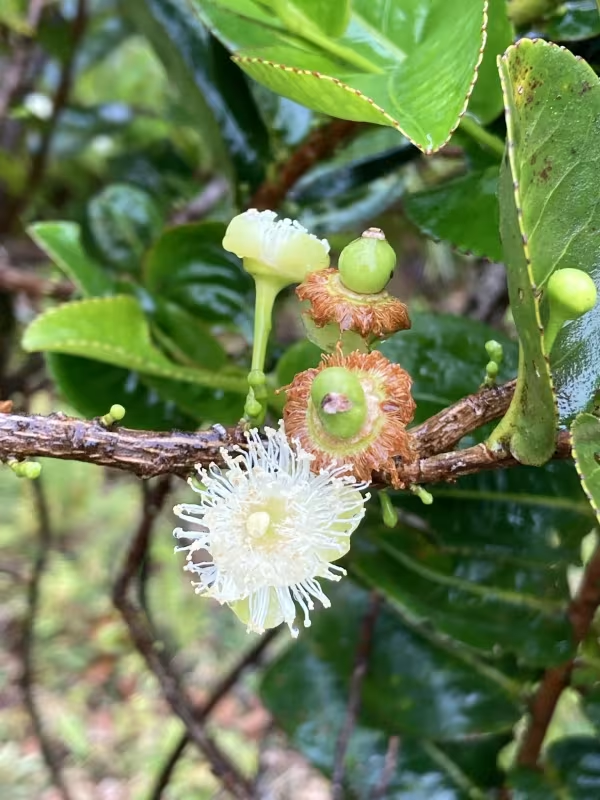
Aphloia (Aphloia theiformis) is a perennial evergreen shrub or small tree belonging to the Aphloiaceae family. It is a distinctive plant known for its wide ecological range and unique chemical composition.
The native range of the species encompasses East Africa and several islands in the Indian Ocean, including Madagascar and Reunion. It thrives in diverse habitats, ranging from coastal areas to mountainous forest edges.
For successful cultivation, the plant requires a stable, warm climate with adequate rainfall. It prefers deep, well-drained, and slightly acidic soils, which allow its root system to develop optimally.
The agrotechnical management of Aphloia focuses on maintaining soil moisture levels through mulching and periodic irrigation during dry spells. Proper plant spacing is essential to ensure light penetration and airflow through the canopy.
Economic interest in Aphloia stems from its foliage, which is harvested for industrial processing. The leaves are rich in mangiferin and other polyphenols, widely utilized in the production of herbal teas, skincare products, and pharmaceutical supplements.
Main diseases and pests
The most common threats to Aphloia in an agricultural setting are foliar fungal diseases caused by high humidity. These infections can be mitigated by ensuring proper planting density and avoiding overhead irrigation methods.
Sap-sucking pests, such as aphids and scale insects, may occasionally infest the plants. Early detection is key, and infestations can often be managed using horticultural oils or organic soap sprays.
Root rot is a potential risk if the soil structure becomes compacted or drainage is poor. Improving soil aeration is an essential preventive measure to protect the plant's health.
Weed control is critical during the establishment phase, as young Aphloia plants do not compete well with vigorous grasses. Maintaining a clean cultivation area ensures that resources are directed towards the growth of the crop.
Sanitation practices, such as removing debris and infected plant parts, are vital to preventing disease cycles. By maintaining healthy plant hygiene, growers can sustain high yields without relying on excessive chemical inputs.