
Antrocaryon nannanii
Antrocaryon nannanii
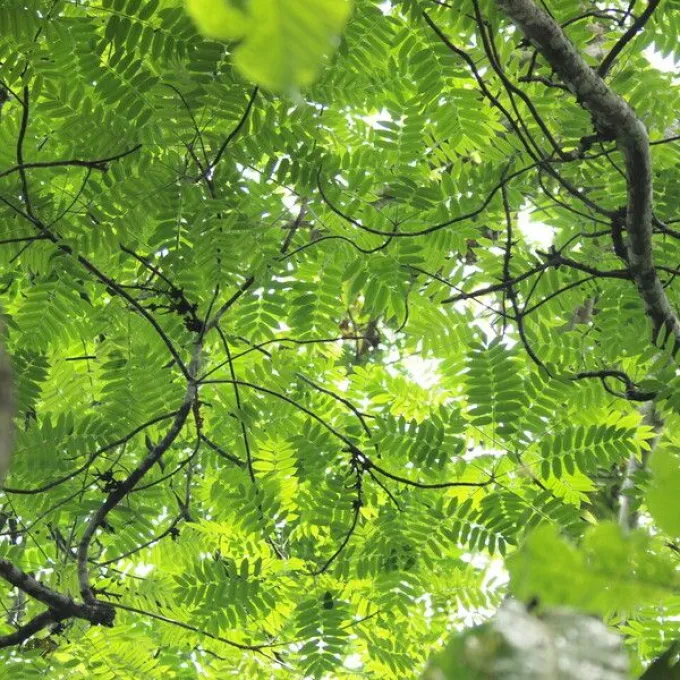
Description
Growing requirements
Antrocaryon nannanii is a notable species within the Anacardiaceae family, native to the tropical rainforests of Central and West Africa. This tree is valued for its ecological contribution and its potential utility as a source of fruit and timber in its indigenous range.
Cultivation of this species requires deep, fertile, and well-drained soils typical of humid tropical environments. The tree thrives in conditions where annual rainfall is high and temperatures remain consistently warm, between 22 and 30 degrees Celsius, throughout the year.
Botanically, the tree is characterized by a robust growth habit, forming a large canopy that requires significant space. Its root system is extensive, necessitating soil profiles that allow for deep penetration to ensure the tree's stability and nutritional uptake.
Regarding agrotechnical practices, irrigation is essential during periods of irregular precipitation to maintain the high humidity levels required for optimal fruit set. Young saplings require shelter from direct wind to prevent transpiration stress during their establishment phase.
The agricultural potential of Antrocaryon nannanii lies in both its edible fruits and its wood, which is often utilized in local construction. As a component of agroforestry systems, it provides both economic benefits and environmental stabilization for degraded lands.
Main diseases and pests
Primary threats to the species include soil-borne fungal pathogens, which proliferate in waterlogged conditions and can lead to severe root decay. Tropical pests, particularly wood-boring beetles, pose a chronic threat to the structural integrity of mature trees.
Leaf-feeding insects can cause significant damage to young trees, reducing their photosynthetic efficiency and stunted growth. Monitoring for pest outbreaks is critical during the wet season, as high humidity facilitates the spread of bacterial leaf infections.
Environmental changes, including habitat loss, significantly reduce the populations of natural pollinators, which are vital for the fertilization of flowers and subsequent fruit production. Declining yield is frequently a symptom of broader ecological degradation around the planting area.
Integrated pest management strategies are recommended, emphasizing the use of biological controls to protect the fragile rainforest environment. Chemical treatments should be used sparingly, primarily as a last resort to manage sudden pest spikes.
Consistent field monitoring and proper spacing during initial planting remain the most effective methods for mitigating the risk of major disease outbreaks and ensuring long-term tree health.