
Antrocaryon amazonicum
Antrocaryon amazonicum
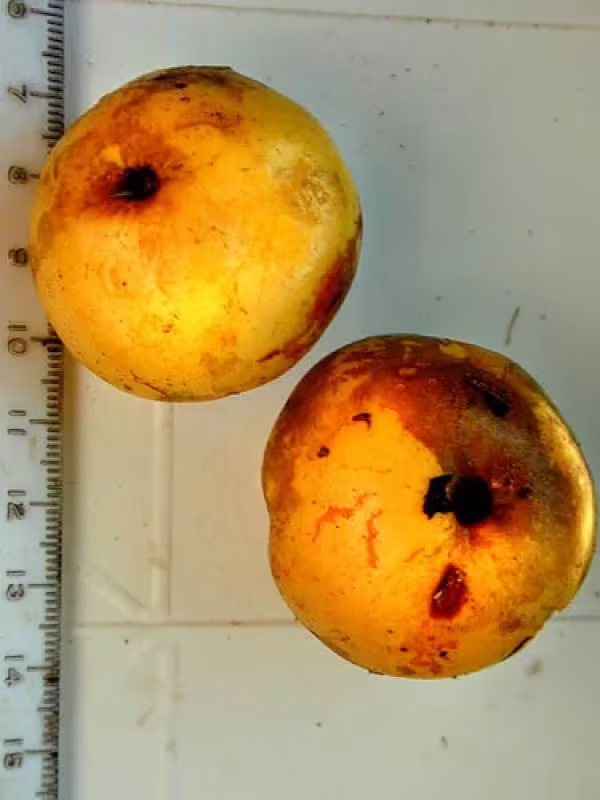
Description
Growing requirements
Antrocaryon amazonicum is a prominent tree species belonging to the Anacardiaceae family, native to the biodiverse rainforests of the Amazon basin.
This species thrives in a warm and humid equatorial climate, requiring consistently high temperatures and significant annual rainfall to maintain its growth cycles.
The tree prefers deep, fertile alluvial soils that provide excellent drainage while retaining enough moisture to support its massive root structure.
In managed cultivation settings, it is essential to provide young trees with shelter from harsh winds while ensuring they receive adequate sunlight as they mature.
Agricultural planning for this crop must respect the spatial needs of the species, as it naturally develops a wide canopy characteristic of tropical forest giants.
Yield
The fruit of Antrocaryon amazonicum is highly valued for its edible kernels, which are an important nutritional source for local communities and have potential market demand.
Annual yields are significantly influenced by the age of the tree and the environmental conditions, with the highest productivity observed in mature, well-established specimens.
Beyond its fruit, the timber of this tree is utilized for various construction and woodworking purposes, adding to its overall economic value.
Harvesting techniques typically involve gathering mature fruits that have naturally fallen to the forest floor, ensuring that only high-quality nuts are selected.
Improving harvest yields is a major focus for agroforestry research, aimed at selecting superior genotypes and optimizing management practices for plantation cultivation.
Main diseases and pests
The crop is susceptible to various tropical pests that target the foliage, flowers, and developing fruits, potentially reducing the total annual harvest.
Pathogenic fungi thrive in high-humidity environments and can cause significant damage to seedlings and young branches if left unmanaged.
Nutritional imbalances in the soil can leave the trees vulnerable to secondary infections, highlighting the need for balanced fertilization programs.
Integrated pest management strategies are recommended to maintain healthy plantations while minimizing the impact on local ecosystem biodiversity.
Regular monitoring of the tree trunks and canopy is necessary to catch early signs of pest outbreaks and prevent further spread within the grove.