
Antirhea borbonica
Antirhea borbonica
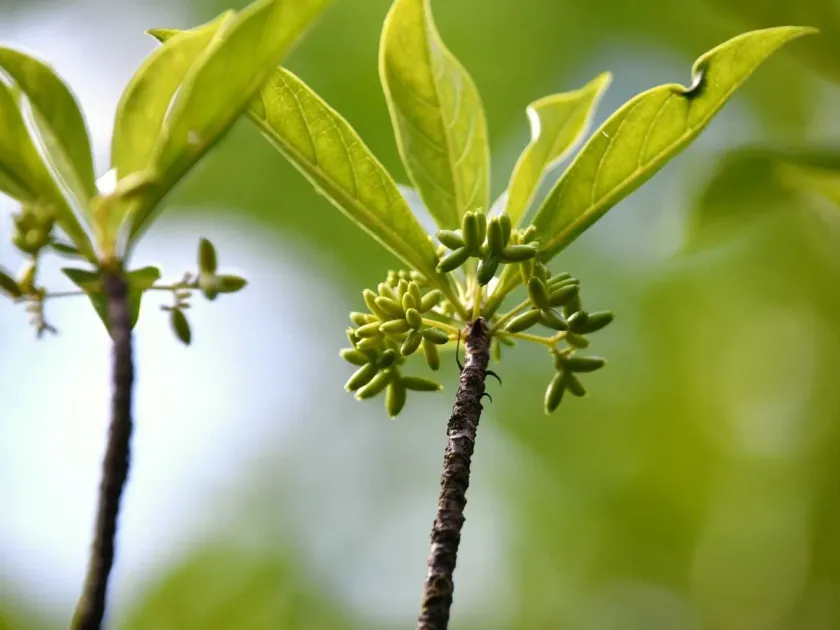
Description
Growing requirements
Antirhea borbonica is a notable woody plant species belonging to the Rubiaceae family. It is an evergreen tree characterized by its compact growth habit and dense, durable timber.
Native to the Mascarene Islands, including Reunion and Mauritius, this species thrives in tropical climates. It is historically adapted to humid environments with consistent rainfall patterns.
The plant requires well-drained, fertile soil to ensure optimal development. It is particularly sensitive to soil salinity and requires protection from extreme, arid winds during its early establishment phase.
Cultivation practices should focus on maintaining adequate moisture levels in the root zone while preventing waterlogging, which is detrimental to the overall health of the tree.
In terms of economic value, the tree is highly regarded for its high-quality wood, which is utilized in specialized construction and artisan carpentry, reflecting its importance in regional forestry.
Main diseases and pests
The health of Antirhea borbonica populations can be compromised by various fungal pathogens that flourish in environments with poor air circulation and excessive humidity levels.
Insect pests, including various species of beetles and scale insects, often target the foliage and young shoots, potentially impacting the tree's vigor if not properly managed.
Root system issues, primarily caused by waterlogged soil conditions, represent a significant threat to saplings, leading to decay and impaired nutrient uptake.
Effective management strategies involve regular inspections of the canopy and soil conditions to identify early signs of stress or infestation before they spread.
Maintaining a balanced ecosystem around the cultivation site helps in supporting natural predators of the pests, thereby reducing the reliance on chemical intervention methods.