
Guatemalan coral vine
Antigonon guatemalense
Description
Growing requirements
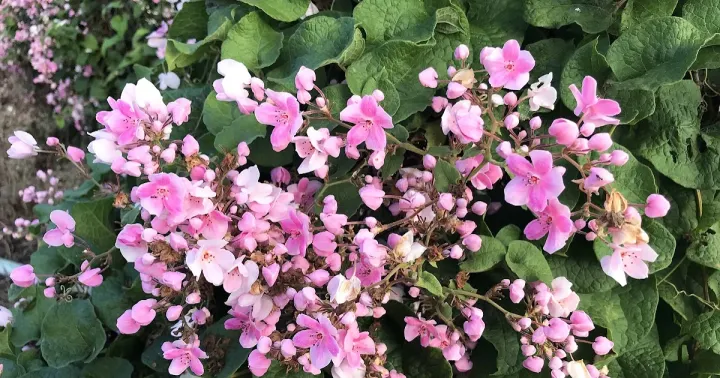
The Guatemalan coral vine (Antigonon guatemalense) is a vigorous climbing plant belonging to the Polygonaceae family. Native to the tropical regions of Guatemala, this plant is highly valued for its aesthetic appeal and rapid growth rate in warm climates.
Botanically, this species is characterized by its woody stems and heart-shaped, veined leaves. It utilizes specialized tendrils to climb structures, making it an excellent choice for fences, pergolas, and vertical landscaping projects.
Climate requirements for the species include full sun exposure and a frost-free environment. In regions where temperatures drop near freezing, the plant must be protected or treated as an annual, as it does not possess natural cold hardiness.
Soil quality should ideally be fertile and well-drained. While the plant is somewhat drought-tolerant once established, it performs best when provided with consistent moisture during the growing season, preventing the soil from completely drying out.
Economic and utility applications are focused on horticultural use. It is widely planted as an ornamental screen and serves as a significant pollinator plant, attracting bees and butterflies to gardens with its vibrant floral displays.
Main diseases and pests
Fungal diseases, often triggered by excessive humidity or poor air circulation, represent the primary threat to the health of Antigonon guatemalense. Keeping the foliage dry and pruning the canopy periodically are standard preventive measures.
Pests such as spider mites and whiteflies are common in both indoor and outdoor environments. These insects thrive in warm, dry conditions, making regular inspection of leaf undersides a necessary maintenance task for the gardener.
Root rot is a significant danger if the planting site lacks proper drainage. Overwatering, especially during cooler or overcast periods, can lead to irreversible damage to the root system and should be avoided at all costs.
Aphids can also cluster on emerging shoots, stunting the growth of the vine and affecting the quality of the flowers. Controlling these pests early in the season is vital to ensure an abundant and healthy blooming period.
Integrated pest management, including regular fertilizing and the use of insecticidal soaps, can effectively mitigate most threats. By maintaining optimal environmental conditions, the grower can ensure the long-term vigor of this tropical climber.