
Antiaris toxicaria
Antiaris toxicaria
Description
Growing requirements
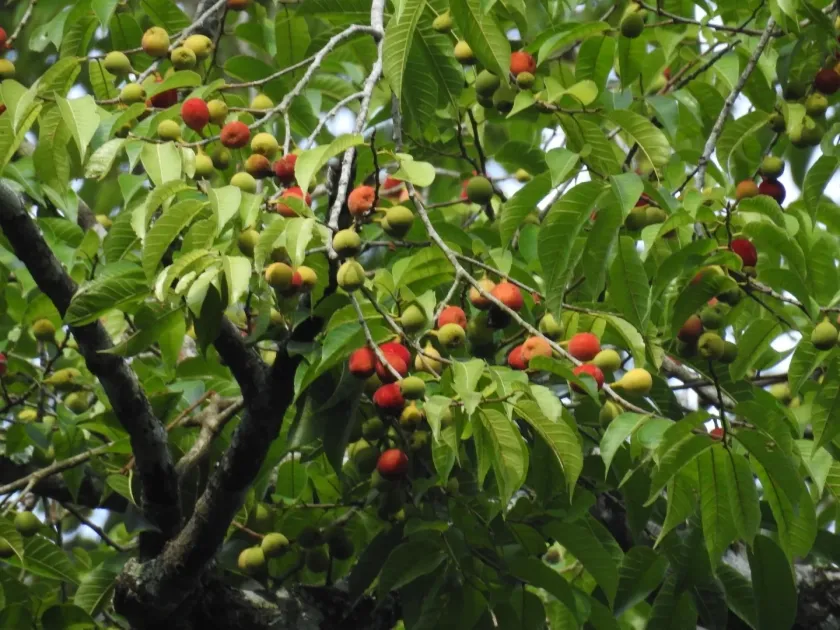
Antiaris toxicaria, commonly known as the upas tree, belongs to the Moraceae family. It is a large tropical evergreen tree capable of reaching significant heights, forming a dominant canopy layer in diverse forest ecosystems.
The species thrives in humid tropical lowlands characterized by high annual precipitation and consistent temperatures. It requires a frost-free environment to maintain its metabolic activities and structural integrity throughout the year.
Cultivation success depends heavily on soil selection; the tree requires well-drained, nutrient-rich loamy soils. It cannot tolerate waterlogged conditions, which may lead to rapid root decay and tree death.
Agricultural management involves ensuring adequate spacing between individual trees to allow for crown development. Propagation is usually performed via fresh seeds, which require specific conditions for high germination rates.
Economically, the tree is highly valued for its bark, which serves as a traditional source of durable fibers for textiles. Additionally, its wood is utilized in various wood-based industries for light construction purposes.
Main diseases and pests
The tree is susceptible to several fungal pathogens that target both the foliage and the vascular system. Proper canopy management is essential to prevent the accumulation of moisture that encourages fungal spore development.
Wood-boring beetles pose a significant threat to the health of the trunk, often creating tunnels that compromise the structural strength of the tree. Regular monitoring is necessary to detect early signs of infestations.
Leaf-eating insects can cause significant defoliation in younger trees. This stress reduces the tree's ability to undergo photosynthesis, directly impacting its growth rate and resilience to environmental stressors.
Soil-borne diseases like root rot are major risks in poorly drained sites. Implementing an integrated pest management strategy that focuses on soil aeration and sanitation is critical for long-term health.
Any pruning activities should be performed with sterilized tools to minimize the introduction of pathogens into the wound sites, which are highly susceptible to secondary infections in humid conditions.