
Anthogonium gracile
Anthogonium gracile
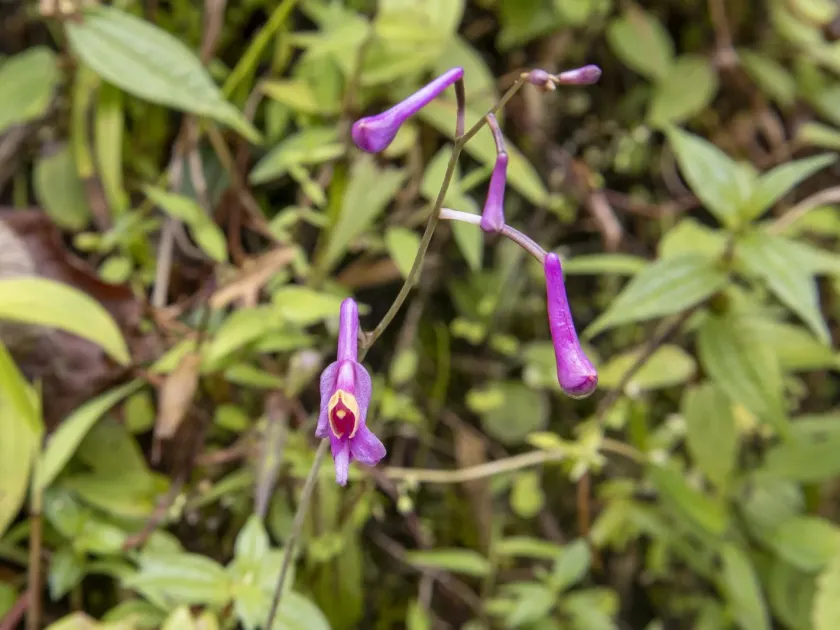
Description
Growing requirements
Anthogonium gracile is a distinct and elegant species belonging to the Orchidaceae family. It is a monotypic genus known for its slender growth habit and unique floral structure, making it a prized specimen for specialized plant collections.
Originating from the tropical and subtropical regions of Southeast Asia, its natural habitat stretches across the Himalayan foothills to Southern China. It thrives in humid forest understories, often found in sheltered, shaded environments.
The cultivation of this orchid requires precise control over environmental parameters. A stable, moderate temperature range is essential, mimicking the temperate forest climate of its native geographical range to ensure healthy growth cycles.
Soil requirements revolve around high-quality epiphytic substrates. A mixture of pine bark, perlite, and premium sphagnum moss provides the necessary drainage and aeration required to prevent the roots from becoming waterlogged.
Maintenance techniques include consistent humidity and diffuse, indirect light. Direct sunlight can easily damage the delicate foliage, so greenhouse cultivation or shaded indoor environments with filtered light are highly recommended for optimal results.
Main diseases and pests
The primary threats to Anthogonium gracile are pathogens associated with moisture imbalance. Fungal infections, particularly root rot, are common if the substrate lacks proper aeration or if watering is excessive during dormant periods.
Pest management is equally crucial, as infestations of spider mites or scale insects can rapidly compromise plant health. Regular monitoring and the application of gentle, plant-safe acaricides or soaps are advised to maintain a healthy collection.