
Anthenantia villosa
Anthenantia villosa
Description
Growing requirements
Anthenantia villosa, commonly known as green silkyscale, is a perennial grass belonging to the Poaceae family. This species is native to the southeastern United States, thriving primarily in sandy soils and open, sunny environments.
The plant exhibits remarkable adaptation to nutrient-poor substrates, making it an ideal candidate for soil stabilization projects. It is inherently drought-tolerant, surviving in conditions where many other forage crops would perish due to lack of moisture.
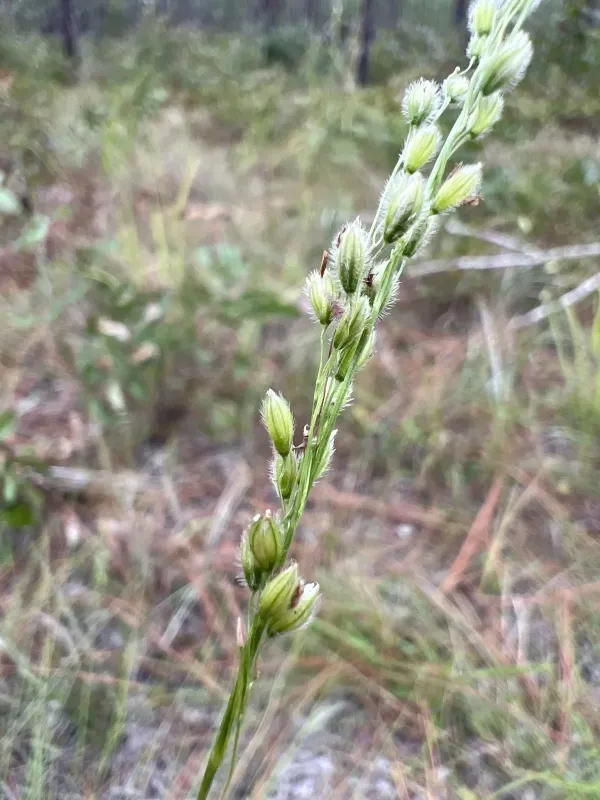
Botanically, it is characterized by its distinct villous (hairy) texture on the foliage, which provides a natural defense against harsh sun exposure. Its root system is deep and expansive, designed to anchor the plant firmly in loose, sandy profiles.
Climate-wise, it requires well-drained soils and high levels of solar radiation for optimal biomass production. Waterlogging is strictly detrimental to this species, as it significantly increases the risk of root rot and overall decline of the grass stand.
Proper agronomic management involves minimizing disturbance to the soil surface while ensuring adequate sunlight for growth. Even in low-fertility areas, moderate nutrient application can enhance the vigor of the plant, especially during the establishment phase.
Yield
In agricultural settings, Anthenantia villosa is primarily utilized in pasture systems and as a component of ecological restoration projects. Its resilience makes it a valuable asset for grazing land that requires minimal maintenance.
Biomass yields are stable over time, although they are generally lower than those of high-input monoculture grasses. However, the reliability of the stand under adverse conditions provides a buffer for livestock operations during dry spells.
The forage quality is generally highest in the early growth stages, providing sufficient protein and energy for grazing animals. As the season progresses, the nutritional content tends to decline, typical for many native warm-season grasses.
Harvesting for seed production presents technical challenges due to the extended maturity period and the tendency for seeds to disperse prematurely. Growers should utilize specific harvesting equipment to maximize the collection of the fine seeds.
Overall, the use of this culture contributes to the long-term sustainability of land management. By maintaining year-round cover, it helps improve soil structure and promotes the biodiversity of the local agricultural ecosystem.
Main diseases and pests
The primary threats to Anthenantia villosa include fungal pathogens that emerge during periods of prolonged high humidity. Proper airflow through the stand is critical to preventing the spread of leaf spots and rusts.
Pest pressures are usually managed naturally by the ecosystem, but outbreaks of aphids can occasionally stress the plants. Early detection via monitoring is essential to keep populations below economic injury levels.
Competition from invasive weed species poses a threat during the initial establishment year. Once the stand is fully developed, it is generally robust enough to suppress most weeds through competitive growth.
Soil nutrient imbalances can lead to weakened plants that are more susceptible to disease. Regular soil testing is recommended to ensure that essential micro-nutrients are available to support the plant's natural defense mechanisms.
Strategic grazing management is necessary to prevent overgrazing, which can deplete the plant's reserves. Providing adequate recovery time between grazing cycles ensures the long-term viability and productivity of the pasture.