
Anonidium mannii
Anonidium mannii
Description
Growing requirements
Anonidium mannii is a massive tropical tree belonging to the Annonaceae family, native to the rainforests of Central and West Africa. It naturally thrives in humid lowland forests where the environment remains consistently warm and damp throughout the year.
The tree requires a tropical climate with temperatures strictly between 22 and 30 degrees Celsius. It is highly intolerant of frost or extreme desiccation, making it unsuitable for cultivation outside of strict tropical zones unless grown under controlled greenhouse conditions.
For optimal growth, Anonidium mannii needs deep, fertile, and well-draining soils with a slightly acidic or neutral pH balance. Soil waterlogging must be strictly avoided, as the root system is prone to fungal rot if stagnant water persists for extended periods.
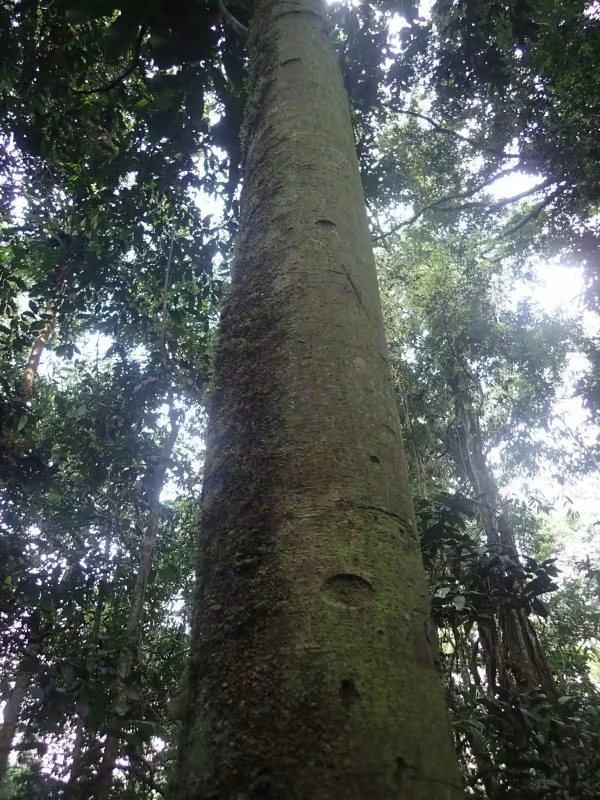
The botanical structure of the tree, which can reach great heights, necessitates ample space to accommodate its expansive root system and broad canopy. In nature, seedlings often develop under the light shade of larger canopy trees, so direct, harsh sunlight should be managed for young specimens.
General agronomy for this species is currently focused on traditional gathering rather than intensive industrial farming. Successful cultivation requires a deep understanding of local microclimates and the protection of seedlings from encroaching forest vegetation.
Yield
The fruit of Anonidium mannii is famously one of the largest within the Annonaceae family, often weighing several kilograms. These fruits grow cauliflorously, emerging directly from the main trunk of the tree, which is a distinctive morphological trait.
Harvesting is seasonal and dependent on rainfall patterns, which trigger flowering and fruit set. The pulp of the ripe fruit is noted for its sweet aroma and high nutritional value, making it a highly prized food source for local communities.
Commercial potential is currently hindered by the fruit's short shelf life, which limits transportation and storage options significantly. Most of the harvest is consumed locally shortly after collection to ensure optimal taste and quality.
Beyond its value as a food crop, parts of the tree, including the bark and seeds, are utilized in traditional medical practices. Further research into post-harvest technology is necessary to unlock the global market potential of this fruit.
Productivity per tree is generally high in suitable habitats. Growers focusing on this crop should prioritize long-term soil health and biodiversity management to maintain consistent yields over the tree's lifespan.
Main diseases and pests
Fungal infections are the most significant threat to the crop, especially in areas with very high humidity. These infections can target the developing fruit on the trunk, potentially spoiling a large portion of the harvest if not managed early.
Wood-boring insects and other pests can damage the trunk and branches, compromising the tree's structural integrity. Maintaining a healthy tree through proper site selection and balanced nutrient availability is the primary defense against such attacks.
Competition from aggressive weeds and climbing vines is a major issue for young orchards. Regular maintenance of the area surrounding the tree is essential to prevent these plants from choking out the saplings or depriving them of sunlight and nutrients.
Soil degradation due to improper management practices threatens the longevity of the trees. Implementing organic mulching techniques helps preserve moisture and soil structure, which are critical for the health of Anonidium mannii.
Changing weather patterns, particularly increased instances of drought, present a rising risk to the cultivation of this species. Agricultural planning must now account for these variables to safeguard the future of the crop.