
Ankistrodesmus falcatus
Ankistrodesmus falcatus
Description
Growing requirements
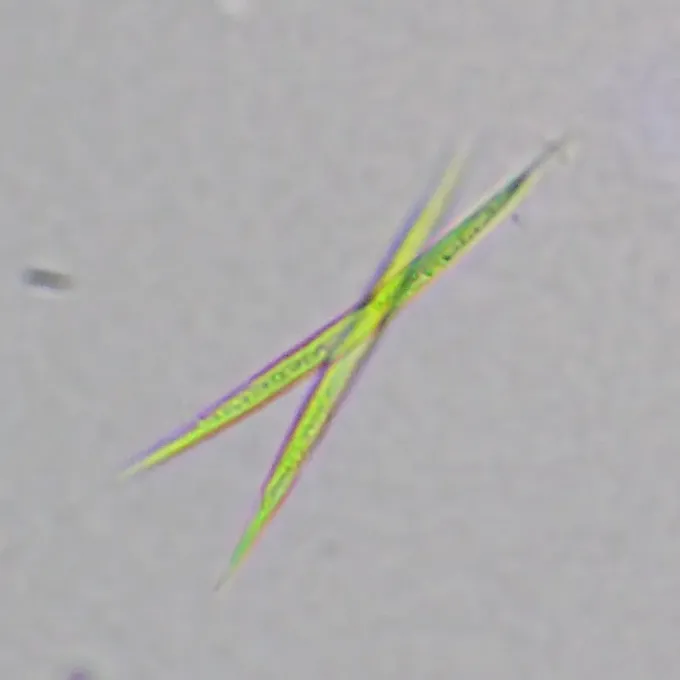
Ankistrodesmus falcatus is a species of green microalgae belonging to the Selenastraceae family. It is widely recognized for its spindle-shaped cells and robust adaptability to various freshwater environments across the globe.
The cultivation of this species typically occurs in closed photobioreactors or open-pond systems, where light penetration is the primary limiting factor for biomass production.
Optimal growth conditions include temperatures ranging from 20 to 28 degrees Celsius and a medium rich in nitrogen, phosphorus, and essential micronutrients to facilitate rapid cellular replication.
Maintaining a stable pH level between 7.0 and 8.0 is essential for nutrient solubility and metabolic efficiency, ensuring the algae remains in a vegetative growth phase.
Aeration and agitation are mandatory practices to supply the culture with atmospheric carbon dioxide and to prevent thermal stratification or cellular settling within the growth medium.
Yield
The yield of Ankistrodesmus falcatus is determined by the dry biomass accumulation rate, which can be optimized through precise control of irradiance and nutrient feeding cycles.
This microalgae is highly valued in industrial biotechnology for its high protein and lipid content, which are extracted for use in dietary supplements and biofuel production.
Sustainable harvest techniques, such as continuous flow harvesting, allow for high daily productivity without compromising the overall culture stability.
The total yield potential is heavily influenced by the strain selection and the efficiency of the dewatering process utilized after the cultivation cycle is completed.
By adjusting growth parameters like light intensity, operators can target specific biomass quality targets, such as increased lipid content for energy-rich applications.
Main diseases and pests
The primary threat to stable Ankistrodesmus falcatus production is biological contamination, where invasive protozoa or other microalgal species outcompete the target culture for space and nutrients.
Viral pathogens pose a significant risk in large-scale systems, potentially causing rapid collapse of the culture density within a few days if left unmonitored.
Environmental fluctuations, particularly extreme temperature spikes, can induce oxidative stress, leading to decreased photosynthetic capacity and cellular bleaching.
Heavy metal accumulation in the growth medium, originating from water sources or equipment corrosion, inhibits enzymatic functions and reduces overall biomass growth rates.
Inadequate sanitation of harvesting and processing equipment is a common vector for introducing pathogens or unwanted micro-organisms into the cultivation system.