
Anisopappus chinensis
Anisopappus chinensis
Description
Growing requirements
Anisopappus chinensis is a distinctive herbaceous plant belonging to the Asteraceae family. Although often associated with specific geographic regions, it thrives in varied tropical climates, showcasing remarkable resilience in challenging environmental conditions.
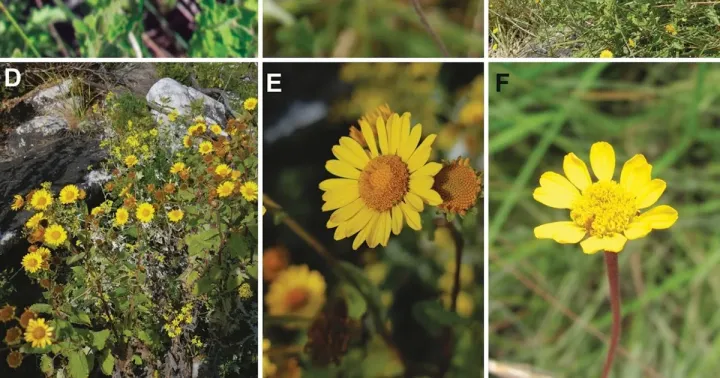
The plant features daisy-like inflorescences that serve as a source of nectar for pollinators. Its structural morphology is adapted to survive in open habitats, with a robust stem system and foliage designed to withstand intense solar radiation throughout the growing season.
For optimal growth, the crop requires full sun exposure and well-draining soil structures. It is particularly well-suited to arid or semi-arid conditions, provided the substrate has a balanced pH level and sufficient aeration to prevent root compaction and waterlogging.
Agronomic management should focus on weed control during the early stages of development, as the crop can be sensitive to competition from aggressive invasive weeds. Once established, the plant demonstrates high drought tolerance, minimizing the need for extensive irrigation systems.
The economic value of this species is largely found in its biochemical profile. As modern agricultural research explores new sources of botanical ingredients, Anisopappus chinensis emerges as a candidate for sustainable crop diversification and potential use in pharmacological applications.