
Aniseia martinicensis
Aniseia martinicensis
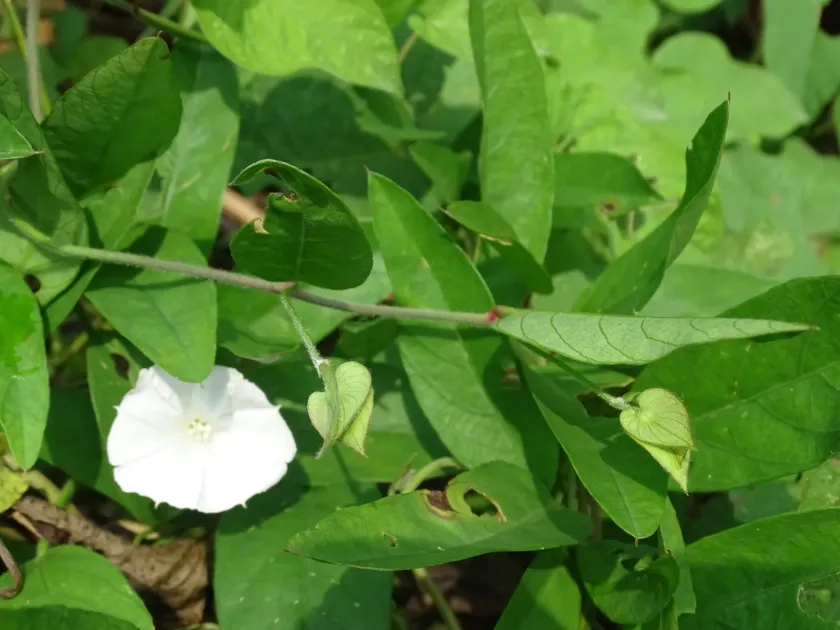
Description
Growing requirements
Aniseia martinicensis is a herbaceous climbing plant belonging to the Convolvulaceae family. It is a perennial species known for its vigorous growth habit, often forming dense mats or climbing over nearby vegetation in its natural habitat.
The plant originates from the tropical regions of the Americas, specifically the Caribbean and Latin American countries. It is typically found in wetlands, along riverbanks, and in areas with consistently moist soil conditions, thriving in humid environments.
Botanically, it is characterized by lanceolate leaves and white, funnel-shaped flowers, which are iconic for members of the morning glory family. The stems are flexible and capable of rapid extension, allowing the plant to effectively compete for sunlight in dense tropical ecosystems.
Regarding climatic needs, Aniseia martinicensis requires a warm tropical or subtropical climate. It cannot tolerate cold temperatures or frost, making it strictly a warm-weather plant that prefers stable, high-temperature conditions throughout its entire growth cycle.
Soil requirements focus on high moisture retention and fertility. While the plant can grow in various soil types, it performs best in rich, neutral to slightly acidic soils. Proper drainage is essential to prevent root asphyxiation, despite the plant's preference for moist environments.
Main diseases and pests
The primary threats to Aniseia martinicensis include fungal infections triggered by excessive moisture and poor air circulation. Root rot and stem blights are frequent issues, especially if the soil becomes waterlogged for extended periods during the rainy season.
Pest pressure is mainly attributed to leaf-feeding insects, such as lepidopteran larvae, which can rapidly defoliate the plant. Aphids may also infest the tender new growth during periods of peak vegetative development, causing leaf curling and reduced photosynthesis.
Management of pests and diseases relies heavily on integrated pest management (IPM) practices, emphasizing cultural control methods. Ensuring proper plant spacing can significantly decrease the humidity trapped within the canopy, thereby discouraging fungal outbreaks.
As an aggressive grower, the plant may also face challenges related to its invasiveness. In some agricultural contexts, it acts as a weed that competes with crops for nutrients and light, necessitating controlled management to prevent it from spreading beyond desired boundaries.
Maintaining plant health involves regular monitoring for early signs of pathogen colonization. By promptly removing affected plant parts and ensuring a balanced nutrient supply, growers can maximize the vigor of the plant and minimize its vulnerability to environmental stress.