
Aniseia cernua
Aniseia cernua
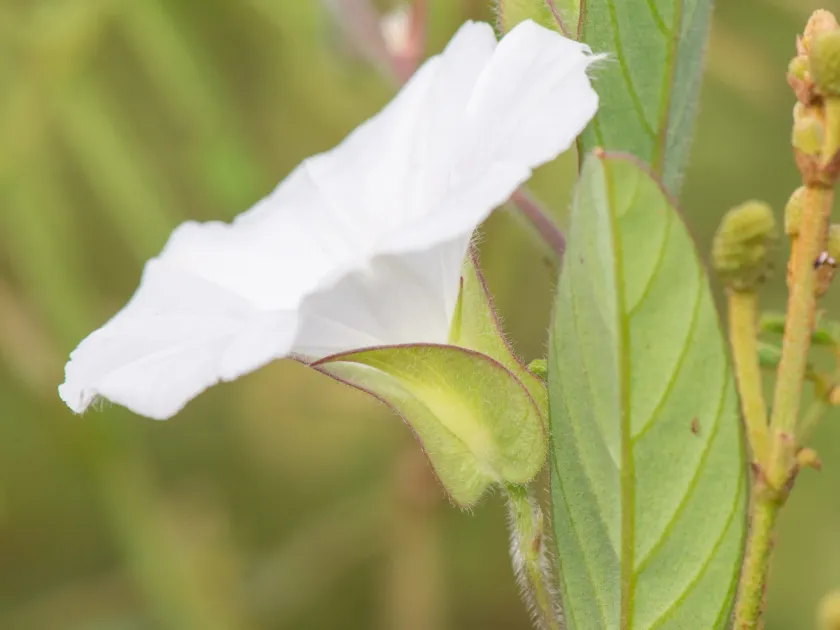
Description
Growing requirements
Aniseia cernua is a herbaceous plant belonging to the Convolvulaceae family. It is natively distributed across tropical regions, particularly in South America, where it thrives in warm, humid environments.
The plant demonstrates a climbing or trailing habit, making it suitable for areas where it can spread naturally. It is highly adapted to moist soils, often found near wetlands or tropical forest fringes.
Temperature requirements are strictly tropical, necessitating consistent warmth. The plant does not possess frost tolerance, making it suitable for cultivation primarily in greenhouses or warm climate zones.
Soil preferences involve high organic content and excellent water retention capacity. Proper drainage is essential to prevent root rot while maintaining the high moisture levels the plant requires.
While not a primary commercial crop, its biological characteristics make it an interesting study subject for botanical collections focusing on the diversity of the morning glory family.
Main diseases and pests
Fungal pathogens represent the primary threat to this species, particularly in closed environments with stagnant air or poor ventilation systems.
Common pests such as spider mites and aphids frequently attack young, succulent tissues, causing visible damage to the foliage and stunted growth.
Excessive soil moisture in combination with low temperatures often leads to rapid decay of the root system, which is a frequent cause of plant mortality in non-native settings.
Leaf-chewing insects can compromise the structural integrity of the vines, making them more susceptible to environmental stress and opportunistic diseases.
Integrated pest management, emphasizing regular pruning to ensure airflow and monitoring of moisture levels, remains the most effective strategy for healthy cultivation.