
Anigozanthos hybrids
Anigozanthos hybrids
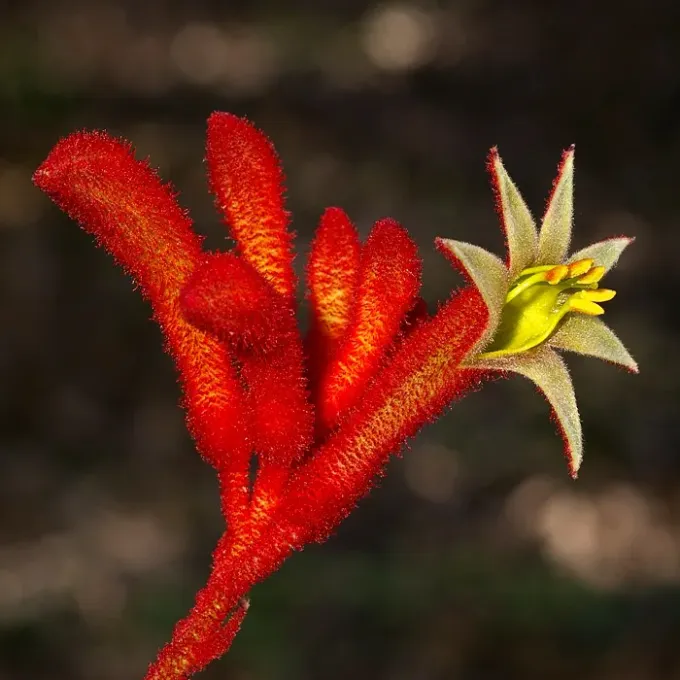
Description
Sowing dates
Anigozanthos hybrids are propagated primarily through seeds or division of the rhizomes. Seeds should be sown in late winter in a porous, fast-draining substrate comprised of peat and coarse sand.
Germination requires consistent warmth, ideally between 20°C and 25°C, along with high humidity. It is crucial to maintain moisture without saturating the medium to prevent damping-off disease.
Seedlings are delicate and should be pricked out once two or three true leaves have developed. Careful handling is required to avoid snapping the fine, fragile root system characteristic of the species.
Division is preferred for maintaining specific hybrid traits. This is best performed in early spring by carefully separating the rhizome clumps into sections, each with viable growing points.
Newly divided plants require an acclimation period in a shaded, sheltered environment before they are gradually introduced to full sunlight and standard irrigation cycles.
Growing requirements
Belonging to the Haemodoraceae family, these plants are native to the diverse landscapes of Australia. They are highly valued in floriculture for their unique, velvet-like tubular flowers.
Success in cultivation depends on high light intensity. They require full sun to thrive, making them excellent candidates for greenhouses or sun-drenched garden beds in Mediterranean climates.
The soil must be slightly acidic and exceptionally well-draining. Because these plants are highly susceptible to root decay, using inorganic additives like perlite or grit is standard practice.
They prefer moderate temperatures and cannot survive frost. In cooler climates, they are treated as annuals or kept as indoor potted plants that are moved outdoors during the warm summer months.
Irrigation should be precise; the substrate must be allowed to dry slightly between waterings. Fertilization should be sparing, using low-phosphorus fertilizers to prevent toxicity, as many native Australian species have sensitive root systems.
Main diseases and pests
Root rot, typically caused by Phytophthora or Fusarium pathogens, remains the primary threat to Anigozanthos. These fungi flourish in waterlogged soils and high-humidity environments without air movement.
Ink spot disease is another frequent affliction, manifesting as black, necrotic lesions on the foliage. This condition is often encouraged by overhead watering and poor air circulation around the plant base.
Pests such as aphids and spider mites are common in greenhouse conditions. They target the succulent floral stalks, often leading to stunted growth and the premature death of the inflorescences.
Management involves a combination of cultural practices, including keeping the foliage dry and ensuring vigorous airflow. If infestations occur, targeted insecticidal treatments are necessary.
Preventive fungicide applications may be warranted in high-humidity areas to protect the plant from latent fungal spores. Always prioritize healthy, stress-free plants as they are naturally more resistant to infection.