
Aniba parviflora
Aniba parviflora (Meisn.) Mez
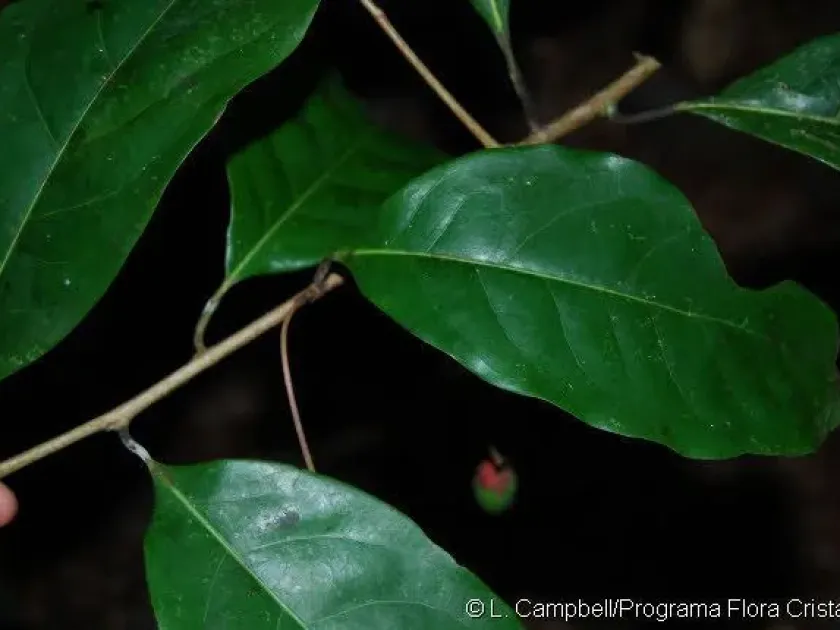
Description
Growing requirements
Aniba parviflora belongs to the Lauraceae family, a group known for its aromatic properties and high-value timber. This tree is native to the tropical rainforests of South America, specifically thriving in the Amazon basin.
The climate requirements for this species include high annual rainfall and consistent tropical temperatures. It is typically found in well-drained, nutrient-rich soils that support its slow but steady growth rate in a competitive forest environment.
Botanically, the tree is characterized by evergreen foliage and small, inconspicuous flowers, which are typical for the genus Aniba. Its wood structure is dense, often containing significant essential oil compounds.
Cultivation practices require shade management, especially during the early developmental stages, to simulate natural understory conditions and reduce plant stress. Maintaining correct soil moisture balance is critical for the overall health of the plantation.
Site selection is the most crucial agronomic factor, as the species does not tolerate waterlogging or extended periods of drought. Proper site preparation ensures that the tree can establish its root system successfully.
Harvesting
The primary economic use of Aniba parviflora is the extraction of aromatic essential oils from its wood and leaves. These oils are highly sought after in the perfume and flavoring industries due to their chemical composition.
Sustainable harvesting techniques are essential for the long-term viability of the crop. Selective logging practices are often employed to maintain the ecological balance of the cultivated area.
The timber itself is utilized for fine woodworking and construction, appreciated for its durability and resistance to biological decay. High-quality wood pieces are often prioritized for export markets.
Industrial processing of the biomass involves distillation units for oil extraction and mechanical equipment for timber processing. Efficiency in these processes significantly determines the economic output.
Strategic harvesting cycles are necessary because the species reaches its peak oil-production maturity after several years of growth, requiring careful planning to optimize returns.