
Anemarrhena asphodeloides
Anemarrhena asphodeloides Bunge
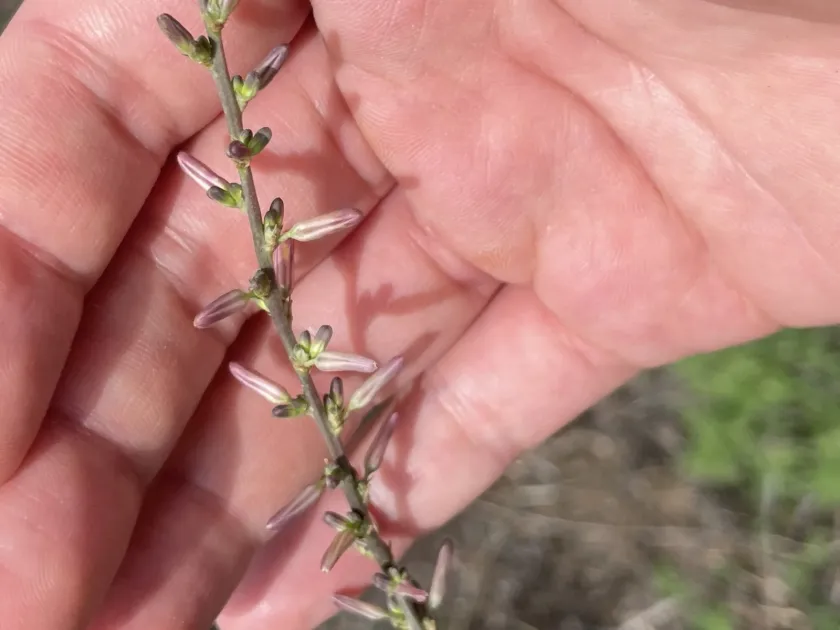
Description
Sowing dates
The seeding of Anemarrhena asphodeloides is typically performed in late autumn or early spring, following a necessary period of cold stratification for the seeds.
Successful germination requires soil temperatures between 15 and 20 degrees Celsius, with seeds sown at a shallow depth of 1 to 2 centimeters.
During the first year of growth, the plant primarily focuses on establishing its root system, resulting in slow initial development of the aerial foliage.
Spring sowing benefits significantly from pre-soaking seeds in growth stimulants, which helps to improve germination rates and uniformity across the field.
Optimal row spacing should be maintained at 45–60 centimeters to provide adequate space for growth and facilitate necessary mechanical weeding and soil cultivation.
Growing requirements
Anemarrhena, a member of the Asparagaceae family, thrives best in sunny, open locations with light, well-draining soil structures.
The plant is known for its high level of cold tolerance, allowing it to be cultivated successfully in a wide range of temperate climatic zones.
The ideal soil types for this crop are sandy loams or light loams that possess a neutral or slightly acidic pH level and excellent drainage capabilities.
While the plant exhibits moderate drought resistance, consistent soil moisture is essential during the active growing season to ensure vigorous root development.
Waterlogged soils must be avoided at all costs, as standing water in the root zone can quickly lead to rot and other systemic plant health issues.
Yield
The primary economic value of this crop lies in its rhizomes, which are typically harvested for pharmaceutical use after 3 to 4 years of cultivation.
Total yield is heavily dependent on soil fertility and the diligent application of organic and mineral fertilizers throughout the plant's life cycle.
The concentration of beneficial bioactive compounds peaks in the fourth year, which is generally considered the optimal time for harvesting high-quality roots.
In well-managed fields, producers can expect an average yield of approximately 5 to 8 tons of dried root material per hectare of cultivation.
Adherence to standardized harvesting and processing protocols is vital for meeting the quality requirements of the global herbal pharmaceutical market.
Main diseases and pests
Soil-dwelling pests, particularly wireworms, present the most significant threat to young plants, as they can cause severe damage to the developing rhizomes.
Inadequate airflow within dense plantings combined with high humidity levels creates a risk for fungal diseases, such as root rot and powdery mildew.
Crop rotation is the most effective preventative measure, with producers advised not to replant Anemarrhena on the same site for at least five years.
Effective weed control is critical during the initial establishment year, as weeds can easily outcompete the slow-growing seedlings for vital resources.
Integrated pest management, including seed treatment and regular inter-row cultivation, helps maintain the health and vigor of the entire crop population.
Harvesting
Harvesting usually takes place in the autumn, once the foliage begins to yellow and wither, indicating that nutrients have fully translocated to the roots.
Roots are excavated using specialized machinery configured to reach depths of up to 30 centimeters to avoid physical damage to the valuable rhizomes.
Immediate post-harvest cleaning is mandatory to remove soil, debris, and vegetative waste, preventing fermentation or quality degradation before drying.
The harvested material is sorted by size and condition, with any damaged or unhealthy roots being discarded before the drying phase begins.
Drying must be conducted in well-ventilated conditions or controlled-temperature kilns, keeping temperatures below 50 degrees to preserve the plant's medicinal integrity.