
Andrzeiowskia cardamine
Andrzeiowskia cardamine
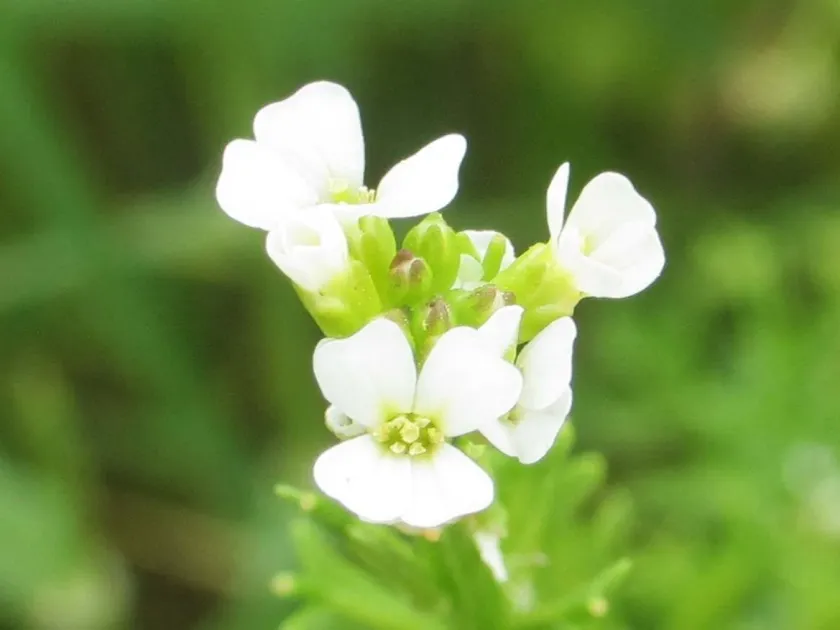
Description
Sowing dates
Andrzeiowskia cardamine is a unique monotypic genus belonging to the Brassicaceae family. It is a perennial herb native to the limestone screes and rocky slopes of the Balkans, Turkey, and the Middle East, occupying high-altitude ecological niches.
In cultivation, propagation is primarily done via seeds, which require stratification to break dormancy. Sowing should mimic the natural alpine conditions, using a well-draining, grit-based substrate to ensure successful germination and seedling development.
The optimal sowing depth is shallow, approximately 1 centimeter. Proper seed bed preparation is essential, ensuring that the top layer of the substrate is fine-textured to allow the delicate radicle to penetrate without obstruction.
During the early stages of growth, the plant forms a compact basal rosette. This stage requires patience, as the species is not known for rapid development, focusing instead on establishing a deep taproot to survive in harsh rocky environments.
It is recommended to sow seeds in small pots or containers initially, allowing for better environmental control before transplanting the young plants to a permanent location in the rock garden or specialized cultivation site.
Growing requirements
The primary environmental requirement for Andrzeiowskia cardamine is full sun exposure. The plant is adapted to intense light levels found in open mountain landscapes and performs poorly in shaded areas, often leading to etiolated growth.
Soil composition must be calcareous, porous, and alkaline. The species thrives in substrate mixes that feature crushed limestone or gravel, which provide both necessary minerals and the essential drainage needed to prevent root zone saturation.
Water management is critical; the plant requires consistent moisture during the active growing season but is highly intolerant of waterlogged soil. Good drainage is the most effective preventative measure against root rot diseases.
The plant demonstrates a remarkable tolerance to temperature fluctuations, which is characteristic of its high-altitude origin. It is well-adapted to the cold winters of its native range and does not require special winter protection in suitable climates.
Fertilization should be handled with extreme caution. The use of low-nitrogen, slow-release fertilizers is preferred to encourage steady, compact growth rather than soft, succulent tissue that would be more susceptible to pests and weather damage.