
Andropogon huillensis
Andropogon huillensis
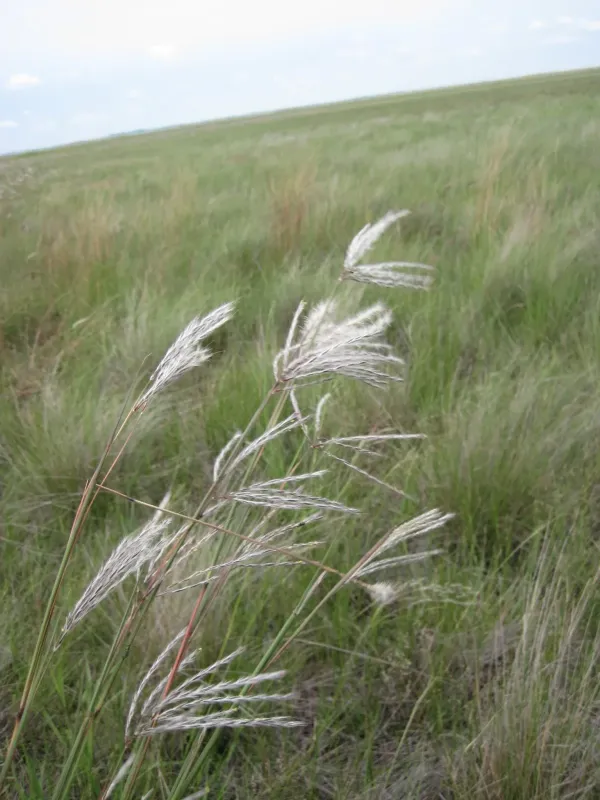
Description
Growing requirements
Andropogon huillensis is a perennial grass belonging to the Poaceae family. It is natively distributed across various tropical ecosystems in Africa, where it plays a critical role in the composition of savanna grasslands and local forage production.
The plant exhibits remarkable hardiness, thriving in soil conditions that are often considered marginal for more demanding agricultural crops. It displays a strong preference for well-drained soils, showing excellent tolerance to moderate acidity and low fertility levels.
Regarding climate requirements, this species requires a stable tropical environment with distinct wet and dry seasons. It is highly heat-tolerant, though its growth cycle is strictly limited by its susceptibility to frost, which makes it unsuitable for cooler temperate climates.
In terms of agricultural management, the plant benefits significantly from rotational grazing or periodic harvesting. These practices help to manage biomass density and ensure that the grass produces nutritious, leafy regrowth rather than coarse, stem-heavy material.
Its primary agricultural utility is as a pasture plant, providing a sustainable source of energy for ruminant livestock. The plant's ability to maintain a dense canopy contributes to soil stabilization and water retention in environments prone to surface runoff.
Main diseases and pests
Andropogon huillensis is generally resilient but remains susceptible to specific rust diseases, particularly under conditions of high humidity and poor air circulation. Symptoms typically appear as chlorotic or necrotic spots on the foliage, which can reduce photosynthetic efficiency.
Insect pests such as locusts and various lepidopteran larvae can cause significant foliage loss if not managed effectively. The use of biological controls or timely grazing management is often sufficient to keep pest populations below the economic threshold.
Root-knot nematodes can pose a threat in intensive agricultural settings, especially where long-term monocultures are maintained. Crop rotation with non-host species is the primary recommendation for mitigating nematode population buildup in the soil.
Competition from invasive weed species can inhibit the establishment of new stands. It is vital to perform mechanical weeding or appropriate site preparation to ensure that the young seedlings are not suppressed during their critical early growth stage.
Finally, environmental threats such as soil compaction from overgrazing can hinder root development and overall plant vigor. Maintaining a healthy balance between livestock stocking rates and grass regrowth is essential for the long-term health of the pasture.