
Ancathia igniaria
Ancathia igniaria
Description
Sowing dates
Ancathia igniaria belongs to the Asteraceae family and is a perennial herb characterized by high environmental adaptability. It is a niche species that requires specific management for successful cultivation.
The optimal sowing time is during early spring when soil temperatures reach about 10 degrees Celsius. This timing ensures that the root system develops well before the onset of summer droughts.
Seeds should be sown at a shallow depth of 2-3 centimeters to facilitate uniform emergence. Using precision seeding equipment can improve the final plant stand significantly.
Row spacing should be maintained between 40 and 50 centimeters. This arrangement provides enough space for mature plants and simplifies the mechanical control of competing weeds.
Early-stage weed management is crucial for this crop, as initial growth is relatively slow compared to other common agricultural species.
Growing requirements
As a xerophytic plant, Ancathia igniaria thrives in regions with intense sunlight and low humidity. It is best suited for open fields with southern exposure to maximize solar intake.
The crop prefers well-drained, light-textured soils such as sandy loams. Heavy clay soils prone to waterlogging are unsuitable and can lead to root system decay.
Its drought tolerance is exceptional, attributed to a deep taproot that accesses moisture from deeper soil layers. Irrigation is only necessary during the establishment phase.
Soil pH should ideally be neutral or slightly alkaline. The plant shows low tolerance to acidic conditions, which can inhibit nutrient uptake and overall metabolic health.
Temperature fluctuations are generally well-tolerated, making this crop a viable option for diverse semi-arid and highland climatic zones.
Yield
Yield assessment for Ancathia igniaria is primarily focused on vegetative biomass. Harvest timing is critical for maximizing both quantity and nutritional value of the foliage.
Seed production is highly dependent on effective pollination. Maintaining healthy populations of local pollinators near the fields can significantly increase the seed set.
Crop rotation practices should be strictly followed to prevent soil exhaustion and the accumulation of specific soil-borne pathogens common to the Asteraceae family.
Applying moderate amounts of potassium-based fertilizers can enhance the plant's structural strength and its ability to withstand environmental stress factors.
Proper density management is the key to balancing biomass quality and quantity. Overcrowding can lead to poor development of individual plants and decreased yields.
Main diseases and pests
Powdery mildew is a common threat in humid conditions or in poorly ventilated field environments. Improving airflow between plants is the best preventative measure.
Aphids can cause significant damage during the peak growing season by feeding on tender buds and leaves. Biological control methods are often preferred to maintain ecological balance.
Cutworms can pose a risk to young seedlings, causing severe stand thinning. Monitoring the fields during the early stages of vegetation is essential for early intervention.
Root rot pathogens may develop in soils with poor drainage. Site selection remains the most critical factor in mitigating this risk for the Ancathia genus.
Integrated pest management strategies should be applied to keep pest populations below the economic injury level while protecting beneficial insect fauna.
Harvesting
The primary harvest for biomass occurs during the peak flowering stage. Harvesting at this time ensures the highest concentration of phytochemicals and foliage nutrients.
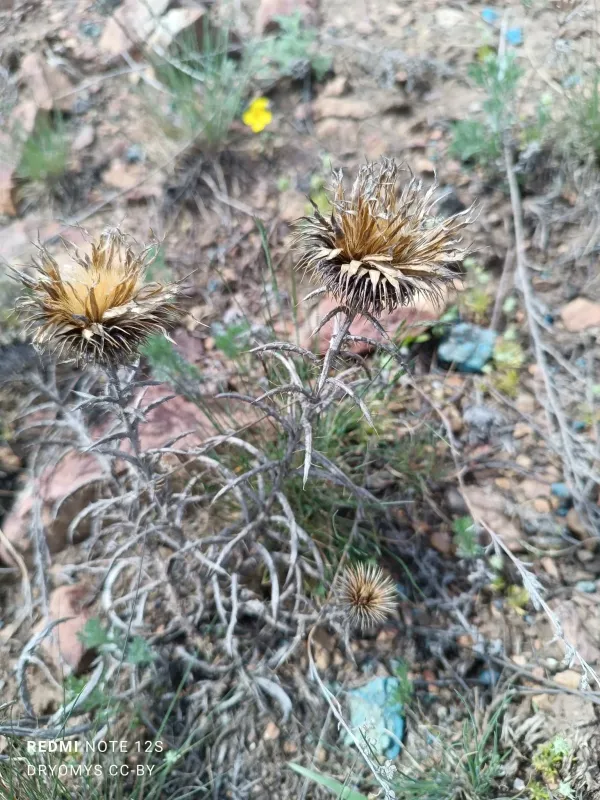
When collecting seeds, wait for the flower heads to turn brown and dry. Mechanical harvesters should be calibrated to avoid damaging the brittle seed heads.
Post-harvest, the material must be dried rapidly to prevent mold formation. Large-scale operations should utilize forced-air drying systems for better efficiency.
Storage facilities must be dry, cool, and protected from rodents to preserve the germination capacity of the seeds until the next planting season.
Effective stubble management is recommended after the harvest to prepare the field for subsequent crops and to disrupt the life cycles of potential pests.