
Anaxagorea luzonensis
Anaxagorea luzonensis
Description
Growing requirements
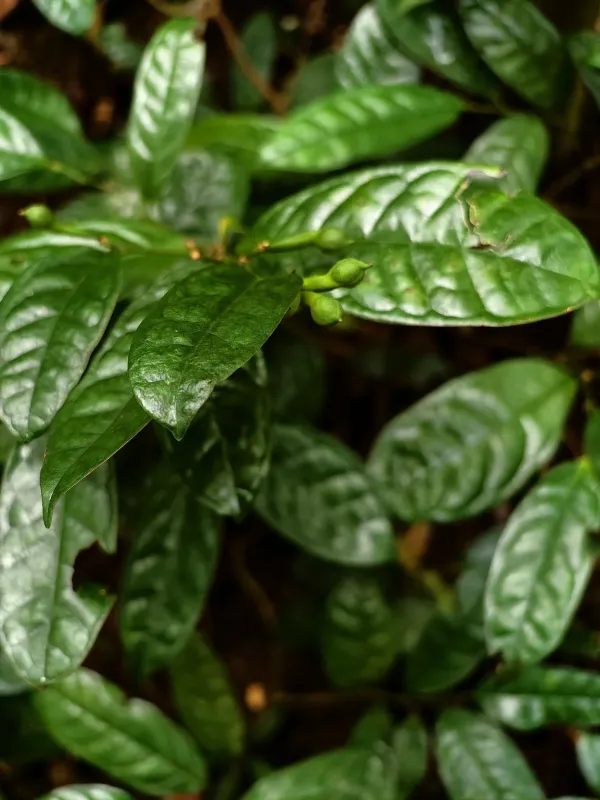
Anaxagorea luzonensis is a member of the Annonaceae family, recognized for its evergreen foliage and woody structure. It typically grows as a small, elegant tree or a dense shrub within its natural tropical habitat.
Native to Southeast Asia, specifically regions like the Philippines, the plant flourishes in humid tropical forest environments. It is adapted to high rainfall areas where the soil remains consistently moist but well-drained.
Regarding climatic needs, this species requires a stable, warm environment, ideally with temperatures ranging between 20 and 30 degrees Celsius. It does not tolerate cold drafts or any form of frost, which can be fatal.
Soil management for Anaxagorea involves providing a fertile, nutrient-rich medium with excellent drainage properties. Adding organic matter helps mimic the forest floor composition essential for optimal nutrient uptake.
The cultural value of the plant is primarily centered on its biodiversity contribution and potential use in local traditional medicine. Its wood is sometimes utilized for small-scale timber requirements in remote tropical areas.
Main diseases and pests
Fungal pathogens represent the primary threat to this culture, often stemming from poor water management and stagnant soil conditions. Maintaining proper airflow around the root system is essential for preventing root decay.
Insect pests such as scale insects and aphids may colonize the young shoots, feeding on the plant's sap and weakening its overall structure. Manual removal or soft soap washes are recommended for minor infestations.
Environmental stress, caused by fluctuating humidity levels, can lead to leaf yellowing and premature shedding. Consistent monitoring of the microclimate is necessary to ensure the plant remains in a healthy vegetative state.
Leaf spot diseases are common when humidity is high and ventilation is lacking. These conditions provide an ideal breeding ground for pathogens that can compromise the plant's photosynthetic capacity.
Effective management requires strict adherence to agricultural hygiene, including the removal of dead leaves and debris that could harbor spores or harmful insects in the vicinity of the plant.