
Anaxagorea javanica
Anaxagorea javanica
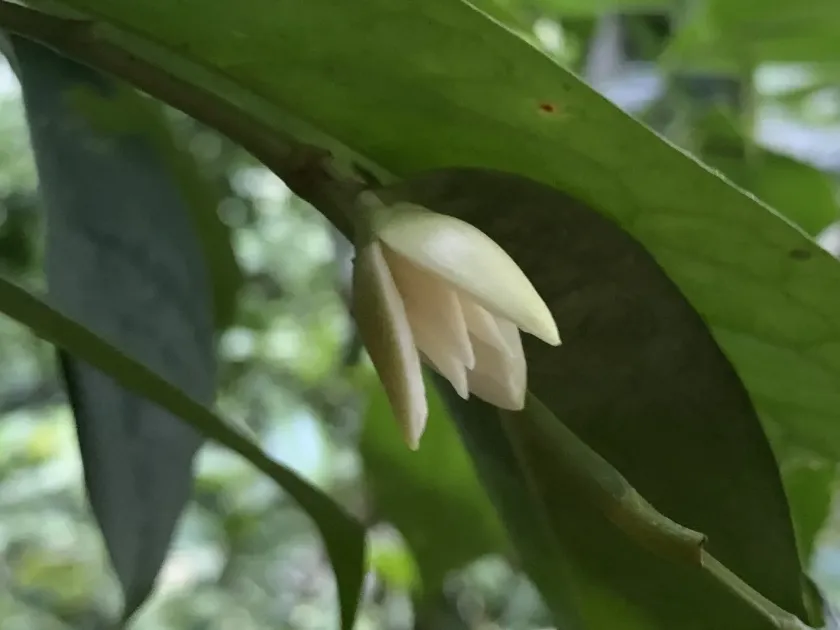
Description
Growing requirements
Anaxagorea javanica is a perennial shrub or small tree belonging to the Annonaceae family. Originating from the tropical regions of Southeast Asia, it is well-adapted to the dense canopy environment of tropical forests where moisture and warmth are abundant throughout the year.
The plant thrives in regions with stable tropical climates, requiring consistently high temperatures and high relative humidity. It is extremely sensitive to cold temperatures and frost, making it suitable only for specific tropical agricultural zones or controlled greenhouse environments.
For optimal growth, the soil must be rich in organic matter, slightly acidic, and possess excellent drainage capabilities. Waterlogging is detrimental to the roots, so selecting a well-draining site or improving soil structure is essential for long-term plant health.
Lighting requirements are specific, as the species prefers dappled shade or indirect light. Prolonged exposure to intense, direct sunlight can lead to leaf scorching and physiological stress, necessitating the placement of the shrub under the canopy of larger trees.
Agricultural management primarily involves ensuring adequate soil fertility through the use of organic compost and maintaining soil moisture. Due to its status as a specialized tropical crop, detailed commercial fertilizer protocols are still being refined by local horticulturalists.
Harvesting
Harvesting Anaxagorea javanica involves careful observation of fruit development, as the multi-follicle fruits tend to open naturally upon reaching full maturity. Timely harvesting is critical to ensure the seeds and plant parts are collected before they fall to the forest floor.
The maturation of fruit on individual plants is often asynchronous, which necessitates selective harvesting rather than mass harvesting methods. This manual approach ensures that only optimally mature fruits are selected, preserving the biological quality of the harvest.
Post-harvest handling is vital, as the high moisture content of tropical fruits makes them susceptible to rapid microbial growth. Immediate cleaning, proper ventilation, and drying are recommended to prevent fungal degradation during the initial stages of storage.
The economic utility of the plant is primarily centered around its aromatic seeds and specialized uses in local traditional practices. While it is not a large-scale industrial crop, its cultivation offers significant value for biodiversity-focused farms and the production of rare botanical commodities.
Manual labor remains the core of the harvesting process, requiring deep knowledge of the plant's growth cycles. By prioritizing careful handling and storage techniques, producers can maintain the high value of this exotic botanical resource.