
Anastatica hierochuntica
Anastatica hierochuntica
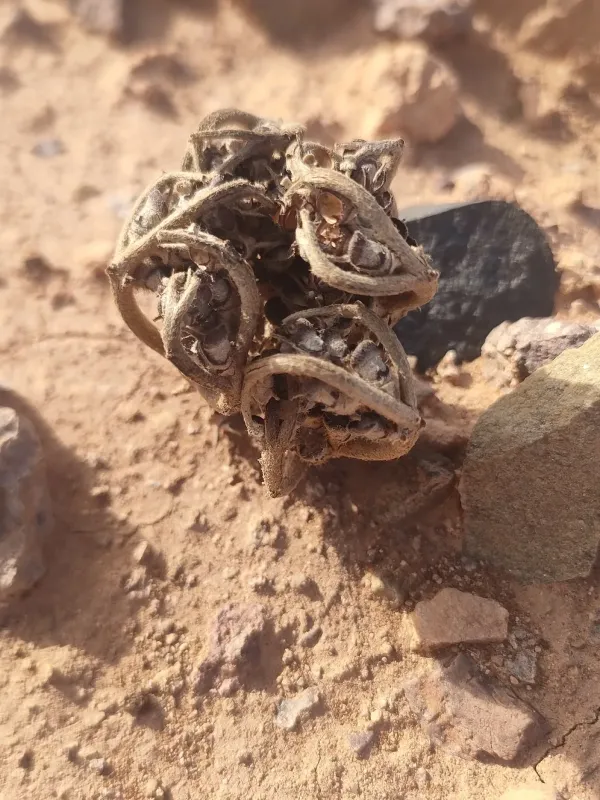
Description
Sowing dates
Anastatica hierochuntica is an annual herbaceous plant whose life cycle is strictly dependent on the sporadic rainfall patterns of its native desert habitats.
Sowing in natural conditions occurs immediately after precipitation events, which provide the necessary moisture to break the seed dormancy.
When cultivated in controlled environments, it is essential to mimic the transition from extreme drought to moisture to trigger germination.
Spring is generally considered the optimal season for planting, as consistent high temperatures are required for rapid seedling development.
Seeds should be planted at a very shallow depth to ensure sufficient oxygen availability, which is critical for the germination process of this species.
Growing requirements
The plant belongs to the Brassicaceae family and is specifically adapted to the arid environments of the Middle East and North Africa.
Anastatica hierochuntica requires high-intensity solar radiation throughout the growing season and cannot tolerate shading or low-light conditions.
The soil substrate must be sandy or gravelly, offering excellent drainage properties to prevent any moisture accumulation at the root level.
Ideal growing temperatures range significantly high, matching the desert climate where peak performance occurs in extreme heat conditions.
Minimal nutrient requirements are typical for this plant, as it has evolved to thrive in low-fertility soils with specific mineral balances.
Main diseases and pests
Excessive moisture is the primary threat to this crop, as it induces fungal infections and rapid root rot in the desert-adapted tissue.
Pathogens such as various species of root-rot fungi often proliferate when drainage protocols are ignored or when soil aeration is insufficient.
Crucifer pests, including flea beetles, may cause significant damage to the leaf rosettes during the early vegetative stages of the plant.
Insufficient light intensity leads to etiolated growth and structural weakness, leaving the plant highly vulnerable to secondary infections.
Maintaining strict sanitation in the growing area is necessary to prevent the buildup of specific desert-plant pathogens over time.
Harvesting
Harvesting takes place once the plant completes its life cycle and enters a dormant, dry state, forming its characteristic tumbleweed-like structure.
The mature seeds remain protected inside the fruit capsules, which seal tightly during dry periods to prevent dispersal until conditions are ideal.
Manual harvesting is the preferred method to maintain the physical integrity of the plants, which are often used for ornamental or research purposes.
It is vital to complete the harvest before the onset of any damp weather, as humidity may cause the fruit capsules to prematurely open and release seeds.
Post-harvest storage should be conducted in sealed, dry containers to prevent any fluctuations in ambient humidity from affecting the seed quality.