
Anadendrum affine
Anadendrum affine
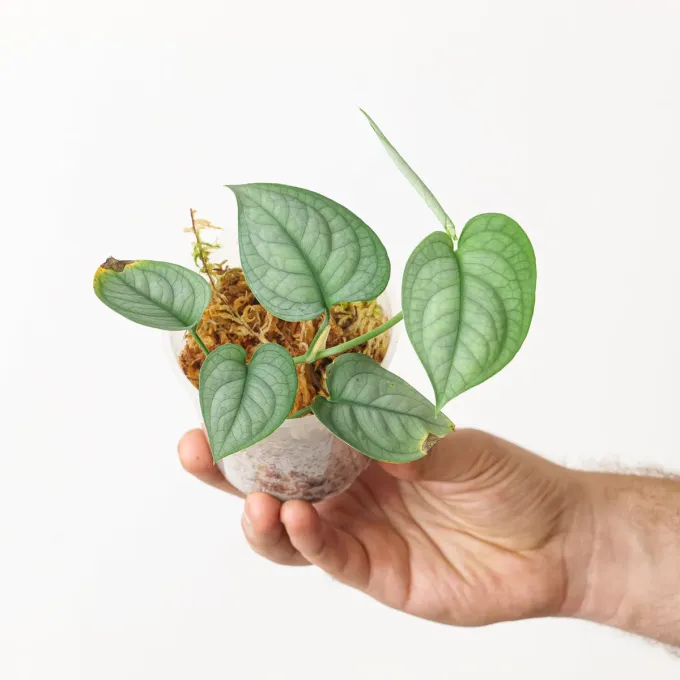
Description
Growing requirements
Anadendrum affine is an evergreen climber belonging to the Araceae family. Native to the humid rainforests of Southeast Asia, this species demonstrates climbing habits typical of the family, utilizing aerial roots to anchor onto larger tropical flora.
The plant thrives in stable tropical environments where temperatures remain between 22 and 28 degrees Celsius throughout the year. It does not tolerate cold drafts or sudden thermal shifts, which can negatively impact the development of its foliage.
Soil requirements focus on high aeration and drainage, which is crucial for preventing root suffocation. A well-balanced substrate consisting of pine bark, perlite, and high-quality peat moss is recommended for optimal water-to-air ratios in the root zone.
High relative humidity is a prerequisite for the healthy growth of Anadendrum affine. In agricultural settings, maintaining humidity levels above 70% is essential to mimic the plant's natural habitat and prevent leaf desiccation.
Regarding light, this culture prefers filtered, indirect sunlight. Intense, direct solar radiation can damage the cuticle of the leaves, while insufficient light leads to etiolation, where the stems become weak and overly elongated.
Main diseases and pests
The most significant threats to this species are root and stem rots (e.g., Phytophthora) caused by overwatering or poor drainage. These pathogens can rapidly decimate a plant population if moisture levels remain high for extended periods.
Spider mites are common pests that thrive in dry environments. They cause stippling on leaves and can lead to severe defoliation if left untreated for extended periods, necessitating regular monitoring of the foliage.
Mealybugs are another potential pest, often clustering in the leaf axils. Their presence can be managed through mechanical removal or the application of horticultural oils, which are generally safer for sensitive leaf tissues.
Bacterial leaf spot can also occur under conditions of poor air circulation and high leaf wetness. Ensuring proper spacing between plants and maximizing airflow in the greenhouse environment are key cultural control methods.
Nutritional deficiencies may present as yellowing leaves, which often result from imbalances in nitrogen or magnesium. Regular monitoring of the substrate pH and nutrient concentrations is vital for maintaining plant vigor.