
Amyris cubensis
Amyris cubensis
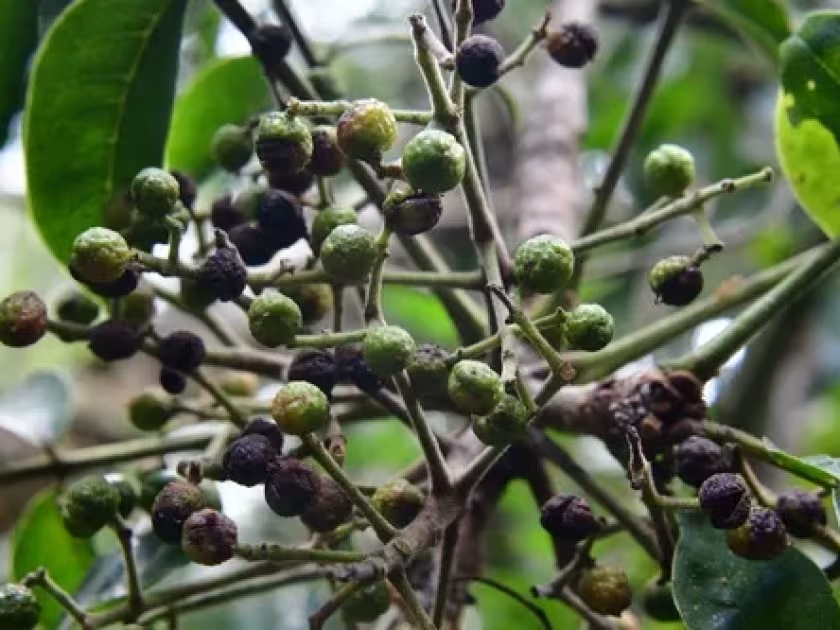
Description
Growing requirements
Amyris cubensis belongs to the Rutaceae family and is an evergreen woody plant native to the Caribbean region. It thrives in tropical climates characterized by high humidity and consistent warmth throughout the year.
This species requires specific environmental conditions to reach maturity. It prefers well-draining, fertile soils that prevent waterlogging, which is essential for maintaining a healthy root system and preventing decay.
In terms of agricultural management, Amyris cubensis needs protection from strong winds and intense, direct sunlight during the seedling stage. Adequate spacing between trees is crucial to ensure proper air circulation and to promote balanced growth.
The cultivation process involves careful monitoring of soil moisture levels and nutrient availability. Regular pruning helps in maintaining the desired tree structure and maximizes the yield of aromatic wood, which is the primary economic output.
The economic value of this crop is primarily found in its essential oil, widely used in the fragrance and cosmetics industry. Its resinous wood provides high-quality oils known for their long-lasting base notes.
Main diseases and pests
The primary threats to Amyris cubensis plantations include fungal diseases that typically manifest under conditions of high soil moisture or poor drainage systems.
Pests such as scale insects and spider mites are frequent invaders of tropical Rutaceae species, damaging foliage and stunting plant development if left uncontrolled.
Wood-boring insects present a serious challenge as they can physically compromise the structural integrity of the trunks, significantly impacting the quality of the raw material.
Management of these threats relies on integrated pest management (IPM) practices, including the use of selective insecticides and preventive sanitization of the orchard.
Consistent monitoring and early detection of symptoms are essential for maintaining the health and longevity of the Amyris cubensis trees.