
Amyris balsamifera
Amyris balsamifera
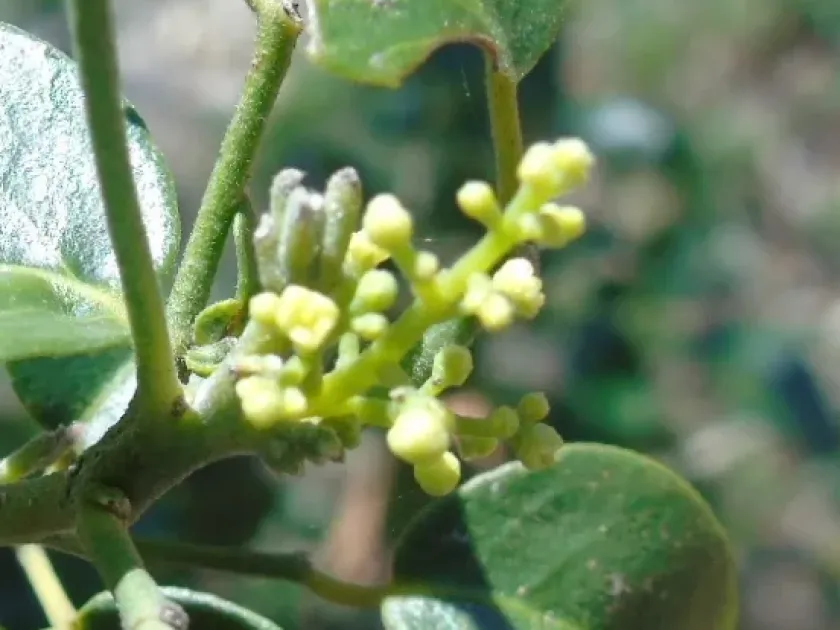
Description
Growing requirements
Amyris balsamifera, commonly known as West Indian sandalwood or torchwood, is a tropical evergreen tree belonging to the Rutaceae family. It is highly valued for its oil-rich wood, which has been used for centuries for fuel and as a fragrant material.
The plant thrives in tropical climates where temperatures remain warm throughout the year without risk of frost. It requires ample sunlight for optimal growth, although young seedlings may benefit from partial shade before they become fully established in the field.
Soil requirements for Amyris include well-drained, porous ground, preferably with a limestone or sandy loam composition. The species is highly sensitive to waterlogging, so site selection should prioritize areas with good natural drainage or slopes to prevent root rot.
Proper agronomic management involves regular maintenance of the grove, including weed control and the removal of competing vegetation. Since Amyris grows relatively slowly, professional cultivation requires long-term planning and consistent care to reach maturity.
The primary economic use of this plant is the extraction of its essential oil via steam distillation. This oil is a popular component in fine perfumery, soaps, and cosmetics, prized for its smooth, woody aroma that serves as an excellent fixative in complex fragrance blends.
Main diseases and pests
While Amyris balsamifera is generally robust, it can be susceptible to fungal pathogens if grown in overly humid conditions with poor air circulation. Root rot is the most common threat, usually triggered by stagnant water in the soil profile.
Insect pests, including scale insects and mealybugs, are known to infest the foliage and young branches. These pests feed on plant sap, weakening the tree and potentially leading to the growth of sooty mold on the leaves, which inhibits photosynthesis.
To mitigate pest and disease risks, farmers should maintain appropriate tree density, which allows for better airflow through the canopy. Regularly inspecting the plants for early signs of infestation is critical for preventing widespread damage across the plantation.
Integrated pest management, involving mechanical removal and the use of targeted biological controls, is preferred over broad-spectrum pesticides to preserve the quality of the essential oil and the surrounding ecosystem.
Maintaining tree vigor through balanced soil nutrition and providing sufficient space for growth enhances the plant's natural chemical defense mechanisms. A healthy tree is significantly more resilient to environmental stress and opportunistic pest attacks.
Harvesting
The harvesting process for Amyris balsamifera involves the selective felling of mature trees that have accumulated a high density of aromatic resins in their woody tissues. Timing is essential, as the oil yield correlates directly with the age and health of the tree.
Sustainable harvesting practices often involve a rotation system, where only a certain percentage of the mature trees are harvested annually. This approach supports long-term plantation productivity and ensures the continued availability of high-quality raw material.
Once harvested, the wood must be processed promptly. This involves chipping or grinding the logs into small pieces to increase the surface area, which is vital for an efficient distillation process and ensures the maximum extraction of essential oils.
After the material is prepared, it is typically steam-distilled. The distillation parameters, such as pressure and steam temperature, are carefully monitored to ensure that the delicate chemical components of the oil are not degraded during the extraction process.
Post-distillation, the exhausted wood fiber is often repurposed as organic mulch or fuel for the boiler systems used in the distillation facility, illustrating the potential for a circular and efficient production cycle within the industry.