
Porcelain berry
Ampelopsis glandulosa (Wall.) Momiy.
Description
Growing requirements
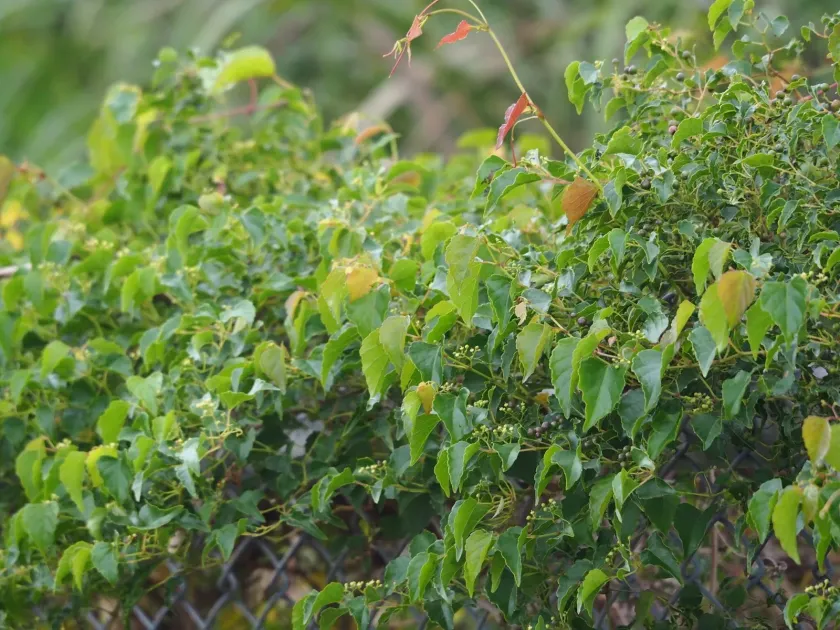
Porcelain berry (Ampelopsis glandulosa) belongs to the Vitaceae family and is a vigorous deciduous woody vine. In its natural habitat, it can reach heights of 5-8 meters, using tendrils to climb and secure itself firmly on vertical structures.
Native to the Far East, the Korean Peninsula, and China, this species is noted for its high cold hardiness. It is well-adapted to temperate climates, preferring sunny exposures while maintaining its foliage quality even in partial shade.
The crop has moderate soil requirements, though it thrives best in well-drained, fertile loam. Waterlogging in the absence of proper drainage can lead to root system decline and poor overall development.
Successful growth requires regular watering during dry spells, especially during the establishment years. The soil around the base must be kept loose to ensure sufficient aeration, which is vital for the rapid production of new vegetative shoots.
Its primary agricultural and landscape use involves vertical greening of parks, gazebos, and building facades. Additionally, the plant is valued for its capacity to produce dense foliage quickly and improve local air quality.
Main diseases and pests
Ampelopsis glandulosa possesses natural resistance to most diseases typical of domesticated grapes. It is rarely affected by downy mildew or powdery mildew, making it a sustainable choice for environmentally friendly gardening.
In conditions of high humidity and poor air circulation, some fungal leaf spot diseases may occur. Effective prevention involves proper canopy training and maintaining adequate spacing between plants during the initial planting phase.
Occasional pests such as aphids or spider mites may appear during periods of extreme heat or drought. Systemic insecticides or acaricides are effective in managing these infestations when spotted early.
Close monitoring of the root crown is necessary, as mechanical damage can serve as an entry point for secondary infections. Regular sanitary pruning helps minimize the risk of pathogen transmission throughout the vine.
General agronomic support, such as consistent mulching and balanced fertilization, significantly enhances the vine's natural immunity. A well-maintained plant remains resilient against most pests throughout the entire growing season.