
Ampelopsis cantoniensis
Ampelopsis cantoniensis (Hook. & Arn.) K. Koch
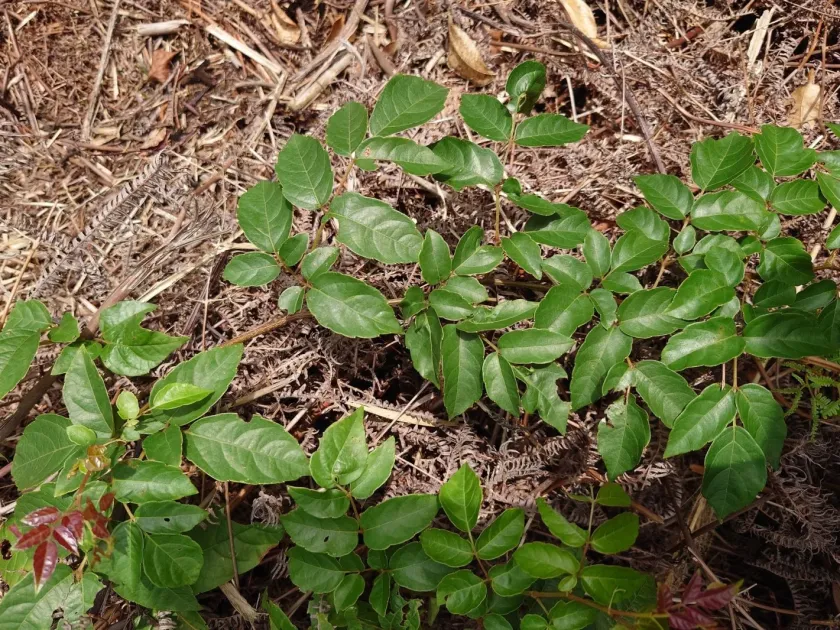
Description
Growing requirements
Ampelopsis cantoniensis is a perennial woody vine belonging to the Vitaceae family. Native to the subtropical and tropical regions of Southern China, it is highly valued for its biological properties and rapid vertical growth habit.
The plant thrives in warm, humid climates and prefers locations with partial shade. Direct, intense sunlight can lead to leaf scorch, especially in regions with high temperatures, making dappled light environments ideal for growth.
Soil requirements include well-drained, nutrient-rich substrates with a neutral to slightly acidic pH. Consistent soil moisture is necessary during the active growing season, but the root system must be protected from prolonged waterlogging to prevent decay.
Agrotechnical management includes providing strong vertical supports, such as trellises or walls, as the plant uses tendrils to climb. Pruning is essential in the dormant season to maintain plant structure and encourage dense foliage development.
The primary economic use of this culture is in the pharmaceutical industry. Various parts of the plant are utilized in traditional medicine for their anti-inflammatory and antipyretic properties, contributing to its ongoing cultivation in specialized nurseries.
Main diseases and pests
Common pests affecting this vine include spider mites and mealybugs, which thrive in conditions of low air humidity. Regular misting and the use of insecticidal soaps are recommended to keep pest populations at manageable levels.
Fungal diseases like powdery mildew can appear when air circulation around the canopy is restricted. Proper spacing and thinning out the vines help maintain optimal airflow and minimize moisture accumulation on leaves.
Root rot is a critical threat often caused by overwatering or compacted, poorly draining soil. To mitigate this risk, ensure the planting site has a substantial layer of gravel or organic drainage material.
Nematode infestations can occur in warmer soils, potentially stunting growth and reducing overall vigor. Using clean, sterilized growing media is the best preventative strategy for both container and greenhouse cultivation.
Nutrient deficiencies may occur if the soil pH is not maintained, leading to chlorosis. Providing balanced NPK fertilization during the peak growth season helps sustain plant health and ensures a better yield of medicinal biomass.