
Ammopiptanthus mongolicus
Ammopiptanthus mongolicus
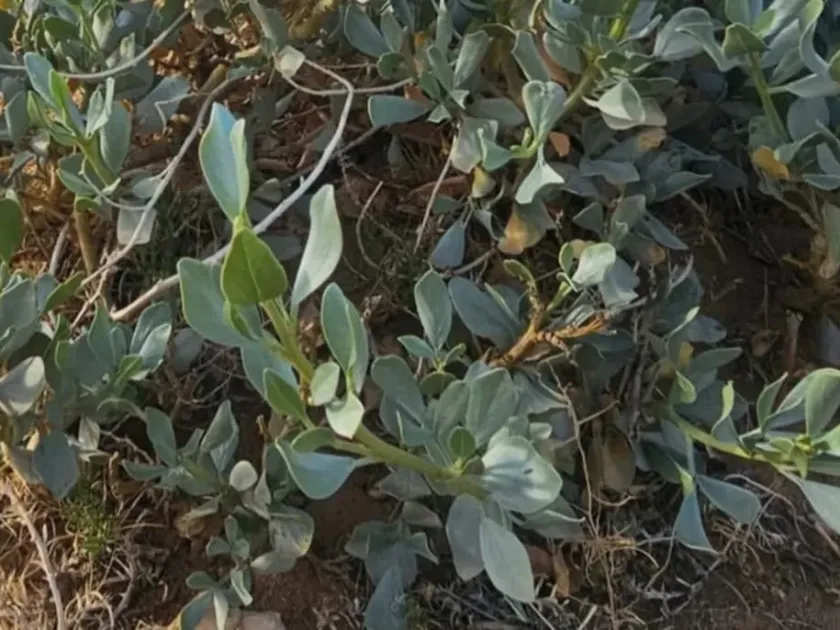
Description
Sowing dates
Propagation of Ammopiptanthus mongolicus is primarily achieved through seeds, as vegetative cloning is difficult in natural conditions.
Sowing should be performed in the spring when the soil temperature consistently reaches 15-20 degrees Celsius to ensure rapid germination.
Seed scarification is an essential pre-sowing treatment because the hard seed coat hinders water absorption and slows the emergence of seedlings.
Seeds are sown at a depth of 2-3 centimeters; the soil surface should be lightly compacted to facilitate optimal moisture retention for the developing seeds.
Seedlings require careful handling during transplantation because the plant's taproot system is highly sensitive to any physical disturbance.
Growing requirements
Ammopiptanthus mongolicus is an evergreen shrub belonging to the Fabaceae family, highly specialized for survival in extreme desert climates.
The plant exhibits exceptional drought tolerance and can withstand extreme temperature fluctuations, ranging from intense summer heat to severe winter frosts.
It prefers sandy, loamy, or stony substrates that provide excellent drainage, as the plant cannot tolerate waterlogged soils or root stagnation.
High light intensity is a mandatory requirement for healthy development; therefore, the crop must be located in open areas with full sun exposure.
Soil salinity levels should be monitored, although the species possesses a moderate tolerance to alkaline and slightly saline soil conditions.
Yield
The primary economic value of this crop is its role in phytoremediation and the stabilization of shifting sand dunes in arid regions.
Although biomass accumulation is slow, the shrub provides long-term ecological benefits by protecting soil surfaces from wind erosion.
In pastoral agriculture, the plant serves as a vital forage source for camels, providing nutrition in landscapes where other vegetation fails.
Seed harvesting is conducted manually as the pods mature, ensuring the collection of viable seeds for further propagation and reforestation projects.
While not a traditional food crop, its ability to maintain green foliage year-round makes it a unique asset for desert biodiversity management.
Main diseases and pests
Ammopiptanthus mongolicus is naturally resistant to many common pests due to its specific chemical composition and secondary metabolites.
Fungal diseases related to excessive soil moisture are the most significant threats to young seedlings during their early developmental stages.
Certain weevils and insect larvae may target the reproductive parts, which can negatively impact the yield of collected seeds per harvest.
Overgrazing by livestock poses a threat to young plants, potentially stunting growth or killing the shrubs if grazing pressure is too high.
Anthropogenic activities, including harvesting for fuel wood, are significant threats to the long-term conservation of the species in the wild.