
Ammodaucus leucotrichus
Ammodaucus leucotrichus
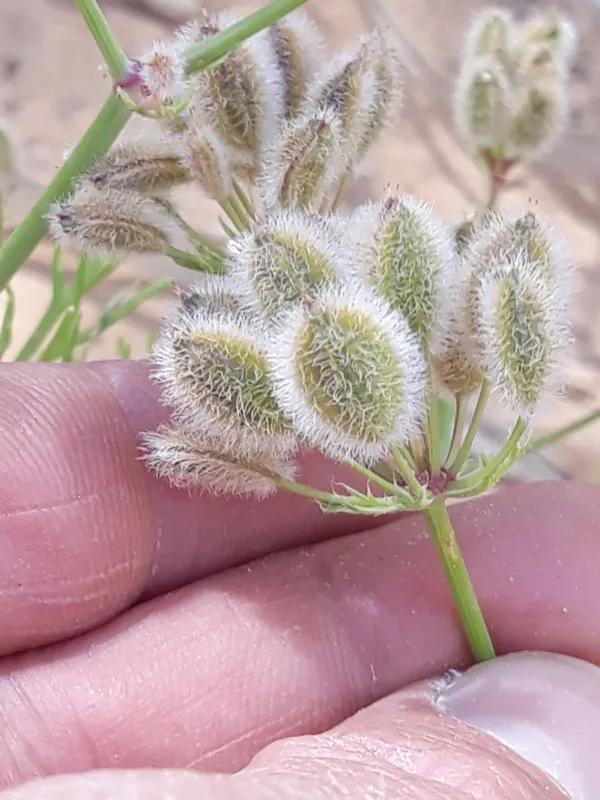
Description
Sowing dates
Ammodaucus leucotrichus is an annual herbaceous plant belonging to the Apiaceae family. Native to the arid desert landscapes of Northern Africa, this plant has evolved to thrive in extreme environments, making it a unique subject for agricultural exploration in desert regions.
Sowing should be performed in the spring once the soil temperature is consistently between 15 and 18 degrees Celsius. Careful seedbed preparation is vital, as the plant is sensitive to soil compaction and uneven surface textures during the germination phase.
Seeds should be sown at a shallow depth of 1 to 2 centimeters to ensure adequate oxygen availability. Due to the small size of the seeds, uniform spacing is essential to prevent competition and to allow for proper development of the root systems in the nutrient-poor sandy soils where this crop thrives.
Wide-row planting is recommended to facilitate easier weed control and maintenance throughout the growing season. This method supports better airflow and root aeration, which is particularly beneficial for a species that is highly adapted to sandy, well-draining soil types.
Initial irrigation is crucial to initiate the germination process. Even though the plant is a xerophyte, providing consistent moisture during the first two weeks of growth significantly improves crop establishment and ensures a more uniform plant density across the field.
Growing requirements
As a heliophyte, Ammodaucus leucotrichus requires full exposure to sunlight throughout the entire day. Any form of shading or competition for light can severely stunt growth and reduce the concentration of essential oils within the fruits, which are the main harvestable product.
The soil must be well-draining, with a preference for sandy or loamy-sand textures. The plant is extremely sensitive to waterlogging, which can lead to rapid root rot and systemic fungal infections. Therefore, high permeability is a mandatory characteristic of the chosen growing site.
The species demonstrates tolerance to slightly saline conditions, making it an excellent candidate for marginal lands. A neutral to slightly alkaline soil pH is optimal, mirroring the natural conditions found in its native Saharan habitats where it has adapted to survive extreme fluctuations.
High temperatures are generally favorable, with an optimal range between 25 and 35 degrees Celsius. While the plant is drought-tolerant, maintaining a stable temperature without extreme nocturnal drops helps to sustain the metabolic processes required for flowering and fruit production.
Fertilization should focus on potassium and phosphorus to enhance the plant’s structural integrity and oil quality. Excessive nitrogen application should be avoided, as it encourages excessive vegetative growth, which can lead to lodging and dilute the quality of the essential oils in the seeds.
Yield
The primary economic focus for Ammodaucus leucotrichus is the production of seeds, which are highly valued for their essential oil content. Yield efficiency depends on site selection, irrigation management, and the selection of high-quality genetic material adapted to local desert conditions.
The seeds contain bioactive compounds, including specific terpenes and other aromatic substances used extensively in the pharmaceutical and fragrance industries. This versatility makes the crop a high-value niche product for farmers operating in arid and semi-arid climates.
Traditional usage includes the spice market, where the aromatic properties of the fruits are utilized in culinary applications. The ability to market the product in both the food and medical sectors provides a buffer against price volatility and increases the profitability of the agricultural venture.
Processing yield is maximized through precise distillation or solvent extraction techniques. Standardizing the oil content and ensuring purity are essential steps in the value-added process that significantly boosts the final product's market value for international buyers.
Economic success in cultivating this species is closely tied to the efficient management of the harvest and post-harvest drying processes. Proper implementation of these stages ensures that the maximum yield of essential oil is captured, translating into a profitable and sustainable agricultural business.
Main diseases and pests
Fungal pathogens associated with excessive moisture represent the most significant threat to the crop. Root rot and damping-off diseases can be devastating if the field conditions involve water accumulation, making site selection and irrigation control the first lines of defense.
Insects, such as aphids and various species of bugs, often target the inflorescences, potentially causing significant yield loss and reducing the quality of the seeds. Monitoring and timely intervention using integrated pest management strategies are necessary to keep these populations under control.
Storage of the harvested product requires strict humidity controls to prevent the development of mold. Any moisture absorbed by the dried seeds will degrade the essential oil quality and can lead to rapid spoilage of the entire batch, requiring climate-controlled storage solutions.
Weed management is critical during the early stages of growth, as the slow initial development of the seedlings makes them vulnerable to competition. Using mechanical weeding or selective herbicides can help protect the young plants without causing phytotoxic damage to the crop.
Crop rotation practices should be strictly followed to prevent the buildup of soil-borne pathogens. A healthy, rotating sequence of crops contributes to a balanced soil microbiome, which acts as a natural deterrent against various diseases common to the Apiaceae family.
Harvesting
Harvesting should occur when the fruits reach physiological maturity, indicated by a deep color change and a reduction in moisture content. The seeds are naturally prone to shattering, so the timing must be precise to minimize losses during the mechanical collection process.
Modern harvesting machinery must be calibrated to a gentle setting to avoid damaging the oil-containing structures within the fruit. Slow operating speeds are essential, as the light weight of the seeds makes them easily carried away by wind or high-velocity harvesting equipment.
Once harvested, the seeds should be cleaned immediately to remove plant debris, which can introduce impurities and negatively affect the oil extraction quality. The use of gravity tables or air-screening machines is recommended to achieve the high purity levels required by international buyers.
Drying is a delicate process, as volatile aromatic compounds are highly sensitive to thermal degradation. Temperatures should remain moderate, and the drying process should take place in a shaded, well-ventilated area to ensure the essential oils remain intact throughout the final stages of the production cycle.
Final packaging must involve breathable yet protective materials, such as multi-layered paper bags, to prevent moisture condensation. Storing the product in a cool, dark, and dry environment is the final step in ensuring that the quality of the essential oils is preserved until they reach the end user.