
Amicia zygomeris
Amicia zygomeris
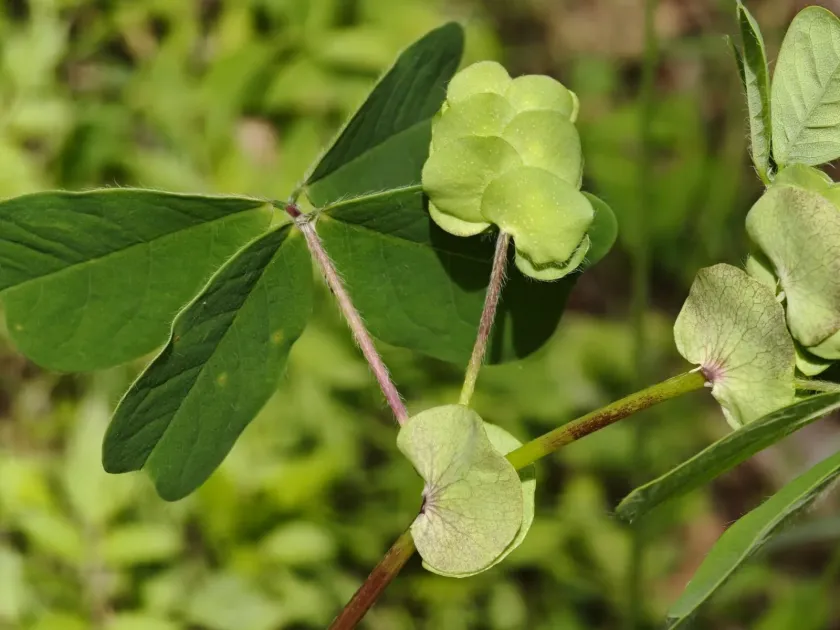
Description
Sowing dates
Amicia zygomeris is typically propagated through seeds during the spring season. Due to the seed coat's hardness, scarification is a highly recommended practice to ensure uniform and rapid germination.
The seeds should be sown in well-drained, fertile soil at a depth of 2–3 centimeters. It is essential to ensure that the soil has warmed up sufficiently, as the plant thrives in warmer temperatures during its initial growth phase.
Spacing is critical for the development of this shrub-like legume. Planting should occur with gaps of at least 60–80 centimeters between individual plants to allow for sufficient air circulation and root space.
During the early seedling stage, manual or mechanical weeding is necessary to prevent competition. The plant exhibits a slower growth rate initially, making early maintenance vital for establishment.
In cooler climates, growers may utilize greenhouse propagation to give the plants a head start, transplanting them outdoors only after the risk of frost has completely passed.
Growing requirements
As a member of the Fabaceae family, Amicia zygomeris originates from the mountainous regions of Mexico. It is adapted to climates that offer moderate warmth and protection from strong, chilling winds.
The plant performs best in loam or sandy-loam soils that maintain good drainage. It is highly intolerant of waterlogged conditions, which can quickly lead to root rot and loss of vigor.
Being a legume, it has the innate ability to fix atmospheric nitrogen via symbiotic bacteria in its root nodules. This makes it a potentially beneficial cover crop in specific agricultural rotations to improve soil health.
Nutrient management focuses on phosphorous and potassium applications, which support robust root development and floral production. Excessive nitrogen fertilization is generally discouraged to prevent imbalanced vegetative growth.
Adequate sunlight is essential for this species. While it can tolerate partial shade, full sun exposure maximizes its potential biomass production and overall structural health throughout the growing season.
Main diseases and pests
Pest management for Amicia zygomeris primarily involves monitoring for aphids and spider mites, particularly in hot and dry conditions where these pests thrive on young, tender foliage.
Fungal diseases, including root and crown rot, are the most significant threats during wet, cold periods. Proper drainage and soil aeration are the primary non-chemical defense mechanisms for these issues.
Leaf spot diseases may occur when there is excessive humidity and poor ventilation within the planting rows. Strategic pruning can help improve airflow and reduce the incidence of such infections.
Crop rotation remains the best preventative measure against soil-borne pathogens. Avoiding consecutive planting of legumes in the same area helps maintain a balanced soil microbiota.
Regular inspection of the lower leaf surfaces and the base of the plant is recommended to catch pest infestations or signs of fungal disease early before they necessitate remedial action.
Harvesting
The harvest period for Amicia zygomeris depends on the intended use, whether for biomass or seed collection. Seed pods should be harvested once they begin to brown and dry on the plant to ensure maturity.
If the crop is grown for green manure or forage, harvesting should take place before the plants reach full lignification to ensure higher protein content and digestibility for livestock.
Mechanical harvesting must be conducted with care, as the plant structure can be somewhat brittle in certain stages. Proper timing is essential to avoid shattering of the seed pods in the field.
Post-harvest, seeds should be dried thoroughly in a cool, ventilated area to prevent molding before long-term storage in sealed, moisture-proof containers.
Proper cleaning of the harvested material is necessary to remove debris and impurities, ensuring a high-quality product for future planting or processing cycles.