
American bittersweet
Celastrus scandens L.
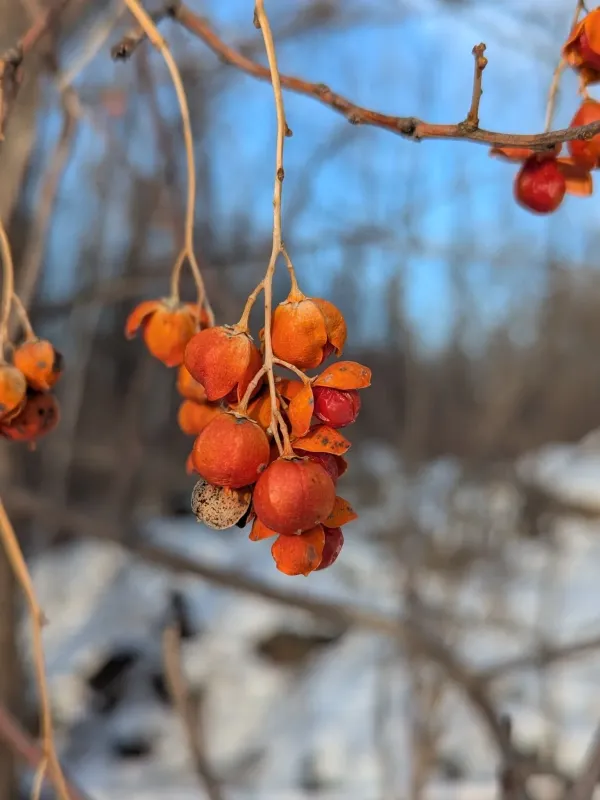
Description
Sowing dates
American bittersweet is typically propagated through seeds, cuttings, or layering methods to ensure successful establishment in the garden.
Seeds require a significant period of cold stratification; therefore, sowing directly into the soil in late autumn is highly recommended.
If sowing in the spring, seeds must be kept in a moist, cool environment between 35 and 40 degrees Fahrenheit for several months prior to planting.
Softwood cuttings taken in early summer are also a viable propagation method, provided they are placed in a humid environment for rooting.
Young plants should be spaced at least six feet apart to allow for vigorous growth and proper air circulation as the vines mature.
Growing requirements
Celastrus scandens is a member of the Celastraceae family, known for being a hardy and aggressive deciduous climbing vine.
The plant is highly adaptable to various soil types but thrives best in fertile, well-drained loamy soils with moderate moisture levels.
For optimal fruit production, the vine requires a sunny location, although it can tolerate partial shade in hotter climates.
Sturdy support structures are essential, as the twining stems can climb up to thirty feet or more if given the proper conditions.
This species is exceptionally cold-hardy, making it a reliable choice for landscaping in northern regions without the need for winter protection.
Main diseases and pests
Euonymus scale and aphids are the most common pests that can infest American bittersweet, causing leaf yellowing and stunted growth.
Powdery mildew may develop on the foliage during seasons with high humidity, especially if the vine is grown in a crowded area.
Control measures include using horticultural oils or systemic insecticides to manage pest populations before they cause significant damage.
Good cultural practices, such as removing fallen leaves and pruning congested branches, help minimize the spread of fungal spores.
Regular monitoring of the foliage ensures that any signs of disease are addressed quickly, preserving the aesthetic value of the plant.