
Amburana cearensis
Amburana cearensis
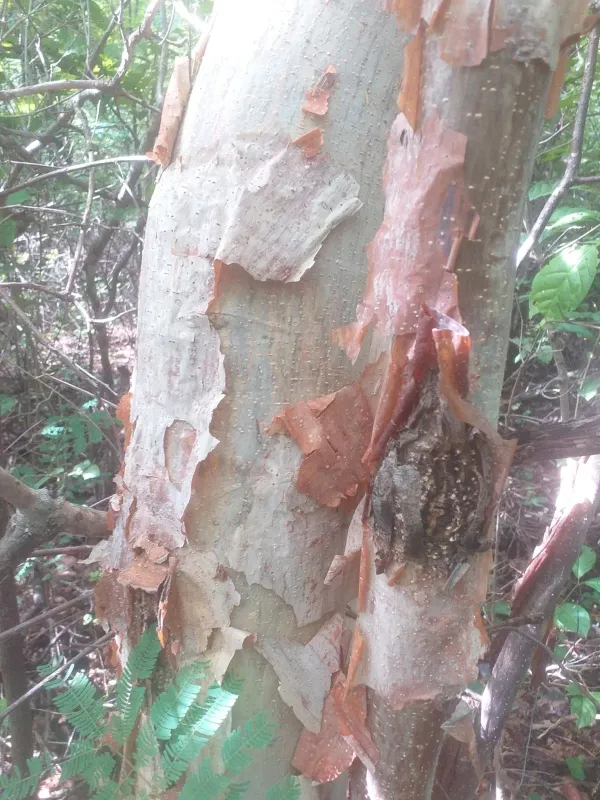
Description
Sowing dates
Amburana cearensis is primarily propagated through seeds, which should be collected from healthy mother trees. The optimal time for sowing corresponds with the onset of the rainy season to provide consistent moisture for germination.
Seeds benefit from pre-sowing treatments, such as soaking in room-temperature water, to improve the uniformity of sprouting. Once seedlings reach a height of about 30 cm in a nursery setting, they are typically ready for transplanting into the field.
When planting in agroforestry systems, a spacing of at least 3 meters between rows is recommended to allow for adequate crown development. Proper site preparation, including clearing competing weeds, is essential for the first two years of the tree's life.
Direct seeding in the field is possible but requires careful monitoring and protection against soil erosion and weed encroachment. The germination process usually begins within 10 to 20 days after planting under optimal conditions.
Temperature management is critical, as the species thrives in warm environments with high light intensity. Establishing a nursery under light shade is beneficial, but the young trees require transition to full sun before final outplanting.
Growing requirements
This species belongs to the Fabaceae family and is native to the dry tropical forests of South America. It is remarkably well-adapted to environments characterized by long, pronounced dry seasons.
Amburana cearensis requires well-drained, fertile soils with a neutral pH. It is highly sensitive to waterlogging, which can lead to root rot; therefore, selecting sites on slopes or well-drained plains is highly recommended for commercial cultivation.
The tree is a light-demanding species (heliophyte), meaning it requires full exposure to sunlight to maintain its structural integrity and rapid growth rates. It does not tolerate prolonged shading by taller forest canopy members.
While the tree is drought-tolerant once established, providing supplemental irrigation during the first one or two dry seasons significantly increases survival rates and promotes faster initial growth.
Soil nutrient management, particularly the presence of nitrogen-fixing bacteria, is generally not a concern as the tree forms symbiotic relationships with root nodules, naturally enriching the soil environment.
Yield
The economic value of Amburana cearensis stems largely from its highly prized timber. The wood is dense, durable, and features a distinctive scent due to high levels of coumarin, making it highly sought after for fine furniture and cabinetry.
Beyond timber, the bark of this tree holds significant medicinal value. It contains compounds used in the production of syrups and treatments for respiratory ailments, reflecting a long tradition of use in local medicine.
Seed production occurs annually, and harvesting should be conducted as soon as the pods mature and begin to dehise. Collected seeds must be dried properly if they are not to be used immediately for sowing.
Agroforestry integration is a popular strategy for yield optimization, where Amburana is intercropped with annual crops. This provides an additional income stream while the slow-growing hardwood matures.
The lifespan of the tree is extensive, and timber harvesting is usually planned over a 25- to 35-year rotation cycle, ensuring a sustainable supply of wood and other botanical products.
Main diseases and pests
The primary threats to Amburana cearensis include fungal pathogens that exploit high-humidity pockets, particularly in poorly managed plantations with low air circulation between trees.
Wood-boring beetles can pose a major risk to older or stressed individuals, creating tunnels that weaken the trunk and reduce the quality of the timber, sometimes leading to branch breakage.
Young seedlings are frequently targeted by leaf-eating caterpillars. Integrated pest management, focusing on biological controls and manual removal, is the preferred method to avoid excessive chemical usage.
Overgrazing by livestock is a major environmental threat to young plantations. Fencing is a necessary investment in areas where animals roam freely, as they can cause significant mechanical damage to young saplings.
Preventative health for the plantation involves regular monitoring, immediate removal of dead or infected branches, and maintaining optimal spacing to prevent the rapid spread of diseases within the stand.