
Amburana acreana
Amburana acreana
Description
Growing requirements
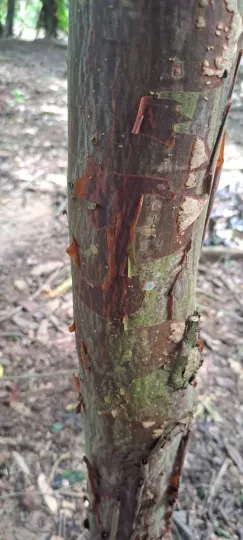
Amburana acreana is a prominent species of the Fabaceae family, native to the tropical forests of South America. It is known for its tall, straight trunk and bark that peels off naturally, reflecting its adaptation to specific forest environments.
The cultivation of this species requires well-drained, fertile soil that provides adequate aeration for root development. It thrives in humid tropical climates where annual rainfall patterns support continuous growth during the active season.
Sufficient sunlight is essential for the saplings to grow properly and develop a robust structural framework. Forest management practices suggest selective clearing to ensure the trees are not suppressed by faster-growing forest vegetation during their early stages.
Agronomic strategies focus on long-term sustainability, ensuring the trees grow in optimal spacing to maximize wood quality. Proper density is crucial to balance individual tree development with the overall yield of the plantation.
The primary economic use of this timber lies in its durability and pleasant scent, making it highly desirable for high-end furniture manufacturing. Furthermore, its medicinal applications continue to be researched due to the bioactive compounds found in its bark and seeds.
Main diseases and pests
Wood-boring insects are the most significant threats to Amburana acreana, as they can cause extensive damage to the tree's internal structure. Implementing integrated pest management is vital for high-quality wood production.
Fungal pathogens pose a major risk if the trees are planted in areas with poor drainage or high humidity stagnant air. Root rot is a common symptom that can severely compromise the tree's longevity and health.
Climate instability, particularly extended droughts, can weaken the trees, making them susceptible to secondary pests. Maintaining plantation health requires ongoing monitoring of soil moisture and plant vigor.
Preventative forestry measures, including the removal of deadwood and infected branches, are necessary to prevent the buildup of pest populations. Ensuring adequate spacing helps to maintain airflow through the stand.
Field inspections should focus on detecting early signs of foliage discoloration or bark lesions, which often indicate underlying health issues. Taking prompt action is necessary to protect the economic integrity of the stand.