
Amborella
Amborella trichopoda
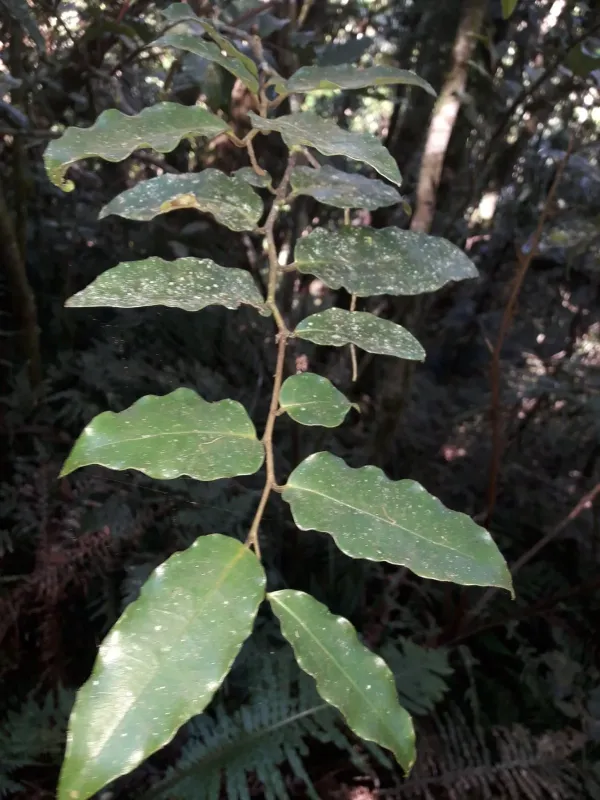
Description
Growing requirements
Amborella trichopoda is an endemic species native exclusively to the island of New Caledonia, where it flourishes in the humid understory of tropical forests. The species thrives in environments characterized by high humidity levels and limited direct sunlight penetration.
The plant requires consistently warm climatic conditions without significant seasonal fluctuations. It prefers deep, nutrient-rich soils that maintain moisture while providing sufficient drainage to prevent root rot, reflecting its natural forest floor habitat.
Agricultural management of this species is essentially non-existent due to its status as a critical evolutionary relic. Cultivation is limited to strictly controlled botanical settings where researchers mimic the stable microclimate of New Caledonian moist evergreen forests.
As a member of the Amborellaceae family, this species possesses unique morphological characteristics, including the absence of vessel elements in its xylem, which is highly atypical for most modern angiosperms. Such features necessitate precise attention to soil chemistry and moisture retention.
Because of its genetic position as the sister group to all other extant flowering plants, Amborella is of immense value for scientific study. While it has no conventional crop utilization, its biology provides fundamental insights into the historical development and diversification of all agricultural flowering crops.