
Amblygonocarpus andongensis
Amblygonocarpus andongensis
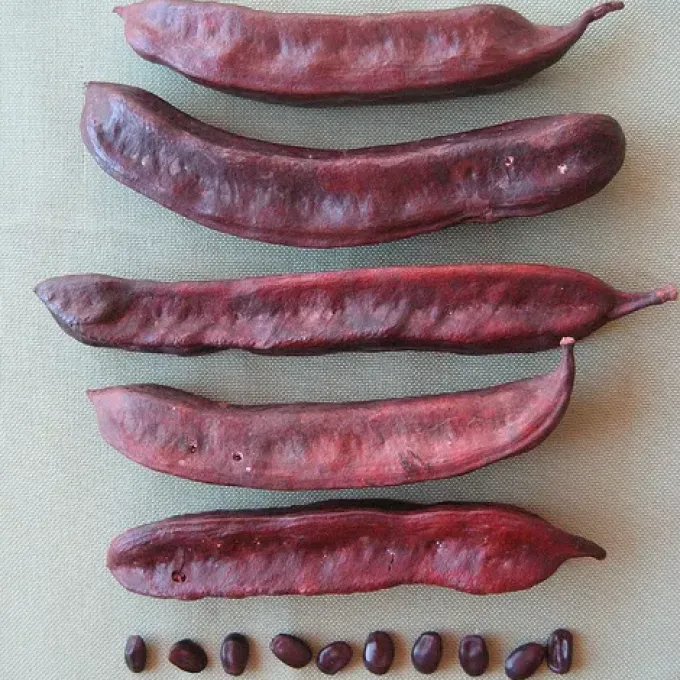
Description
Growing requirements
Amblygonocarpus andongensis is a woody species belonging to the Fabaceae (legume) family, native to sub-Saharan Africa. It is typically found in savanna landscapes, woodlands, and dry forest margins.
The species is well-adapted to tropical climates characterized by a distinct dry season. It thrives in well-drained soil profiles, including sandy loams and rocky terrain, where water stagnation is minimal.
This tree is sun-demanding and requires open spaces for development. It demonstrates high resilience to heat stress and is capable of surviving under intense solar radiation.
As a nitrogen-fixing legume, it plays a vital role in maintaining soil nutrient levels in its natural habitat, enhancing the productivity of surrounding vegetation.
The wood of this tree is highly prized for its exceptional density, hardness, and durability. It is traditionally used in high-quality furniture making, construction, and tool handles.
Main diseases and pests
The primary threats to the species involve habitat loss due to deforestation and the conversion of woodlands into agricultural or urban land.
Seed-boring insects often target the pods, which can significantly reduce the viability of seeds and hinder natural regeneration processes in the wild.
Overgrazing by livestock in savanna areas can damage young saplings, preventing them from reaching maturity and establishing themselves in the environment.
Fungal pathogens associated with excessive soil moisture can pose a risk to seedlings during the early stages of their growth cycle.
Localized over-harvesting of the wood for fuel or timber can lead to the depletion of mature trees, impacting the biodiversity of the local ecosystem.