
Alysicarpus vaginalis
Alysicarpus vaginalis (L.) DC.
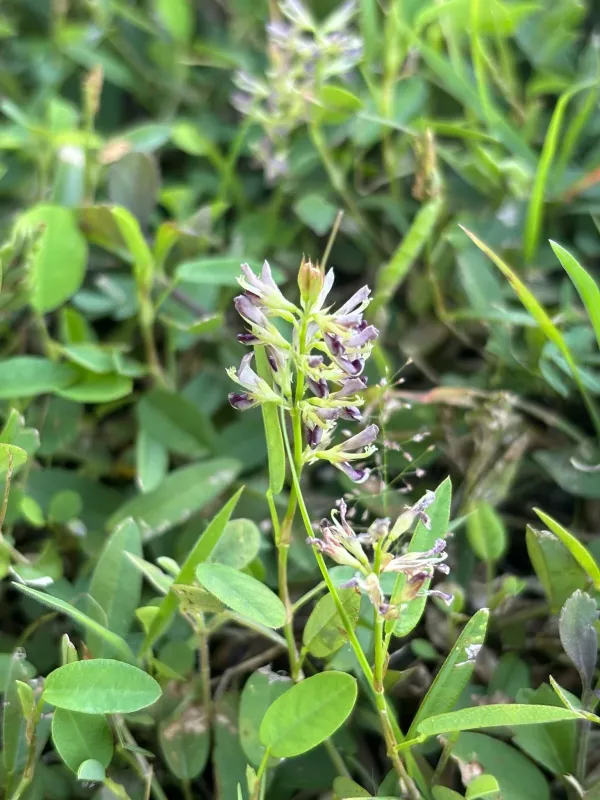
Description
Sowing dates
Alysicarpus vaginalis is a tropical crop that requires warm temperatures for germination and early growth. The best time for planting is the beginning of the wet season when the soil has retained sufficient moisture.
The seeds should be sown shallowly, ideally at a depth of 1 to 2 centimeters. Because the seeds are quite small, deep burial will prevent emergence and lead to significant crop failure.
Standard sowing rates range from 5 to 10 kilograms per hectare depending on the intended use. Broadcasting or drilling are common methods used to establish dense stands for pasture or cover cropping.
After seeding, rolling the soil surface is recommended to ensure firm seed-to-soil contact. This step is critical to maintaining moisture around the seeds in fluctuating tropical rainfall conditions.
Early weed management is vital as the seedlings are slow to establish in their first weeks. Sowing into clean, prepared fields ensures that the crop can quickly outcompete surrounding weeds.
Growing requirements
Belonging to the Fabaceae family, this species is well-known for its adaptation to a wide range of soil types, including sandy, loamy, and slightly saline substrates. It thrives in soils that are often too poor for other crops.
Alysicarpus vaginalis requires full sunlight and does not perform well in shaded environments. Adequate light is essential for biomass production and the development of high-quality forage.
The plant is known for its moderate drought tolerance once established, making it suitable for regions with distinct dry seasons. However, prolonged waterlogging should be avoided as it can cause root rot.
The optimal pH range for this legume is between 5.5 and 7.0. It performs well in mildly acidic soils, which are common in many tropical areas where other legumes might struggle with nutrient uptake.
As a nitrogen-fixing legume, it forms a symbiotic relationship with soil bacteria. This makes it an excellent choice for improving soil fertility in crop rotation systems or as a green manure crop.
Yield
Forage yield typically ranges from 10 to 25 metric tons of green matter per hectare. The exact yield depends on rainfall distribution, soil fertility, and the frequency of harvesting or grazing.
When used as a pasture crop, the plant shows excellent recovery after grazing. Cattle and other livestock find it highly palatable, contributing to weight gain and overall animal health.
The nutritional profile is characterized by a high protein content, especially when harvested at the vegetative stage. This makes it a cost-effective supplement for traditional grass-based diets.
Seed production yields are generally between 300 and 600 kilograms per hectare. Harvesting seeds requires careful timing to prevent losses due to shattering of the mature pods.
Incorporating the plant into farming systems provides a dual benefit: producing high-quality feed while improving the nitrogen content of the soil for subsequent grain or vegetable crops.
Main diseases and pests
Fungal diseases, including leaf spot and powdery mildew, represent the most common biological threats. These infections are often triggered by high humidity levels or poor air circulation within the canopy.
Pests such as aphids and various larvae can damage the foliage and flowers. Integrated pest management, focusing on early detection and biological control, is recommended for sustainable production.
Nematodes are a significant underground threat that can impair root system function and nitrogen fixation capabilities. Crop rotation is the most effective preventative measure against nematode buildup.
Competition from weeds during the establishment phase is the primary agronomic challenge. Without proper control, weeds can stunt the legume and lead to reduced overall pasture productivity.
Viral mosaic diseases, usually transmitted by insect vectors like aphids, can occur. Removing infected plants and controlling vector populations are standard practices to minimize spread in the field.
Harvesting
Harvesting for green fodder is recommended during the early flowering phase. This stage offers the best balance between biomass quantity and the nutritional concentration of proteins and minerals.
When making hay, rapid drying is essential to prevent leaf loss. The leaves contain the highest nutritional density, and shattering during mechanical handling should be minimized by careful drying techniques.
Seed collection should be done when the pods turn dark brown but before they start to shatter. Morning harvesting is often preferred when the moisture levels help keep the pods intact.
After mechanical harvesting with combines, seeds must be cleaned and dried to a moisture content suitable for long-term storage. Using ventilated bags helps prevent mold and maintains germination rates.
Proper field maintenance after harvest, such as removing debris and ensuring the soil is not overly compacted, helps the crop regenerate for the next season or prepares the land for rotation.