
Altingia excelsa
Altingia excelsa
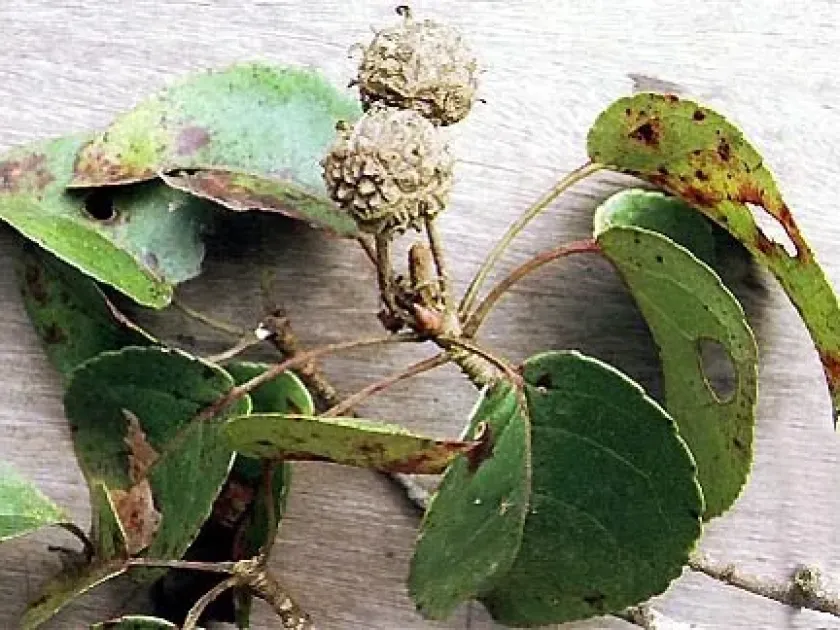
Description
Growing requirements
Altingia excelsa, commonly known as the Rasamala tree, is a large evergreen species belonging to the Altingiaceae family. It is native to the tropical forests of Southeast Asia, thriving in high-altitude moist mountain environments.
This species demands a climate characterized by high humidity and consistent rainfall throughout the year. It performs best in regions where temperatures remain stable, avoiding both extreme heat and potential frost, which can be fatal to juvenile plants.
The soil preference for Altingia involves deep, well-drained, nutrient-rich substrates. The root system is sensitive to waterlogging, necessitating the selection of hilly or sloped terrain to ensure natural drainage in forest plantation settings.
Regarding silviculture, the tree grows vigorously in its early stages if given adequate light. Canopy management is vital, as the species is essentially intolerant of prolonged shading, which restricts its metabolic rate and growth potential.
Beyond its value as a timber species, Altingia excelsa is renowned for its aromatic resin, historically used in medicinal preparations and incense. Its ecological role includes soil stabilization and water retention in mountainous tropical zones.
Main diseases and pests
Root rot caused by fungal pathogens is a primary concern for Altingia plantations, especially in areas with poor drainage. Proper site selection and site preparation are the most effective methods to prevent these soil-borne diseases.
Stem borers pose a significant threat to the integrity of the wood. These insects penetrate the bark, creating tunnels that weaken the structure and allow secondary infections, which may lead to dieback of limbs or death of the tree.
In nursery environments, seedlings are susceptible to various leaf spot diseases triggered by high humidity and stagnant air. Maintaining proper airflow and sanitation protocols is essential for producing healthy planting stock.
Defoliating insects can occasionally cause outbreaks that reduce the overall health of the forest canopy. While mature trees often withstand minor defoliation, persistent attacks require strategic interventions to preserve wood quality.
Integrated Pest Management (IPM) is the recommended approach for this culture, focusing on monitoring and biological control methods. Keeping the plantation in a healthy state through proper spacing minimizes the need for drastic chemical interventions.