
Alonsoa meridionalis
Alonsoa meridionalis (L. f.) Kuntze
Description
Sowing dates
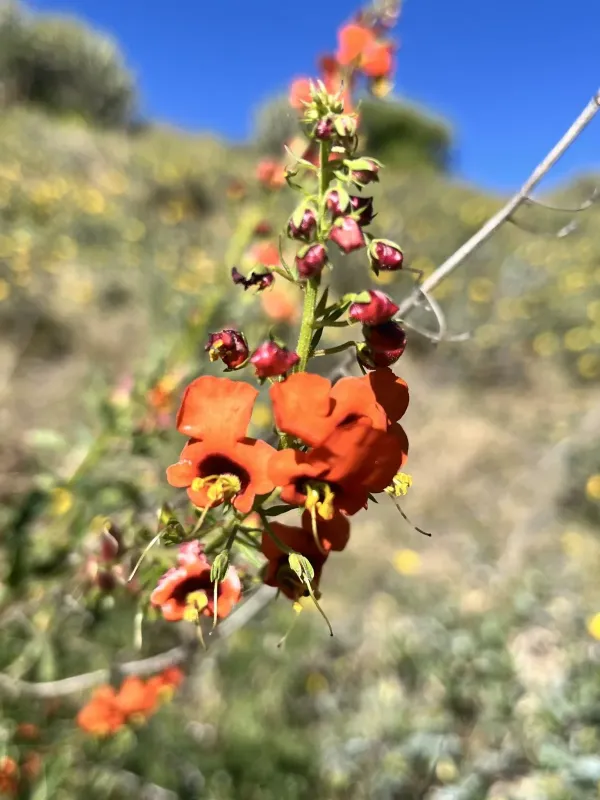
Alonsoa meridionalis is a member of the Scrophulariaceae family, originating from the Andean regions of South America. It is highly valued in horticulture for its vibrant, mask-like flowers.
Propagation is typically done by seed. In temperate climates, seeds are sown in late winter indoors. They are tiny and require light to germinate, so they should be surface-sown on moist compost.
Optimal germination occurs at temperatures between 18 and 22 degrees Celsius. Maintaining high humidity with a plastic cover is essential until the seedlings appear.
Once seedlings are large enough to handle, they are pricked out into individual cells or small pots to develop a robust root system before the final transplant.
Hardening off the seedlings is a critical step before moving them to their permanent outdoor location once all danger of frost has passed in the spring.
Growing requirements
Alonsoa meridionalis thrives in full sun, which is necessary for producing dense, floriferous growth. Partial shade is only tolerable in extremely hot summer climates.
The ideal soil for this species is sandy, well-draining, and moderately fertile. It is vital to ensure that the site does not accumulate stagnant water, as the plant is prone to root rot.
Watering should be consistent, ensuring the soil remains moist but never waterlogged. During peak flowering, the plants benefit from stable moisture levels to sustain production.
Regular deadheading of spent blooms is highly recommended. This practice directs the plant's energy toward creating new buds rather than setting seeds, thus prolonging the display.
Applying a balanced, water-soluble fertilizer every two weeks during the growing season helps maintain the plant's vigor and encourages continuous blooming until autumn.
Main diseases and pests
Aphids are the most common pest observed on Alonsoa meridionalis. They tend to cluster on the undersides of leaves and on the tips of new growth, stunting flower development.
In humid or poorly ventilated conditions, Botrytis cinerea (gray mold) can become a significant issue, causing brown spots on leaves and rot on stems.
Slugs and snails present a constant threat to young seedlings in spring. Protecting young plants with physical barriers is often necessary to ensure their survival.
Root rot is typically caused by poor drainage or overwatering. If the foliage begins to yellow and wilt without signs of pests, water management should be re-evaluated immediately.
Integrated pest management, including regular inspection and the removal of infected plant debris, is the best strategy for maintaining a healthy and beautiful display.