
Camelthorn
Alhagi maurorum Medik.
Description
Sowing dates
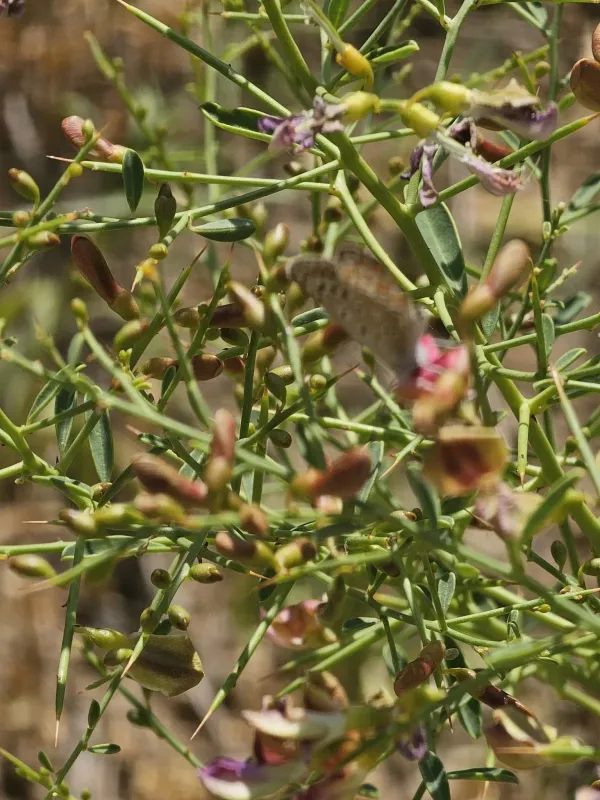
Camelthorn (Alhagi maurorum) is a prominent member of the Fabaceae family, highly adapted to arid and semi-arid environments. It is a perennial plant characterized by its deep, extensive root system that enables it to thrive in desert conditions where other plants would fail to survive.
In agricultural practice, sowing is typically performed in early spring. The seeds require specialized preparation due to their hard coat, which can inhibit germination if not properly scarified. Once established, the plant spreads significantly through underground rhizomes.
The crop is known for its remarkable ability to tolerate high soil salinity and drought. It serves as an excellent stabilizer for loose soils and is often utilized in desert reclamation projects to prevent soil erosion in harsh, dry climates.
Agronomic management involves selecting well-drained, sandy, or clay soils. While it can grow in poor soils, the plant benefits from a sunny location with minimal competition from other herbaceous flora, as it naturally occupies and dominates available space.
Farmers should be cautious when introducing this species, as its deep root system and tendency to spread can make it difficult to eradicate if the land is eventually repurposed for non-forage row crops.
Growing requirements
The primary environmental requirement for successful growth is consistent sun exposure. It is a drought-tolerant crop that performs poorly in waterlogged or swampy conditions, as soil aeration is crucial for the health of its expansive subterranean network.
Yield
The biomass yield is highest in areas with seasonal flooding or irrigation capabilities. As a forage crop, it provides substantial nutrition for camels, sheep, and goats, serving as a critical survival fodder source in regions where traditional grazing is unavailable.
Main diseases and pests
Camelthorn is remarkably resistant to typical pests and diseases. Its tough, spiny exterior acts as a natural mechanical defense, while its chemical composition, including tannins, makes it less attractive to most common plant-feeding insects and pathogens.
Harvesting
Harvesting is typically conducted just before the plant reaches full maturity to ensure the nutritional content of the fodder. Mechanical cutters must be robust to handle the woody and thorny nature of the stems, ensuring clean cuts for regrowth.