
Aldama dentata
Aldama dentata La Llave
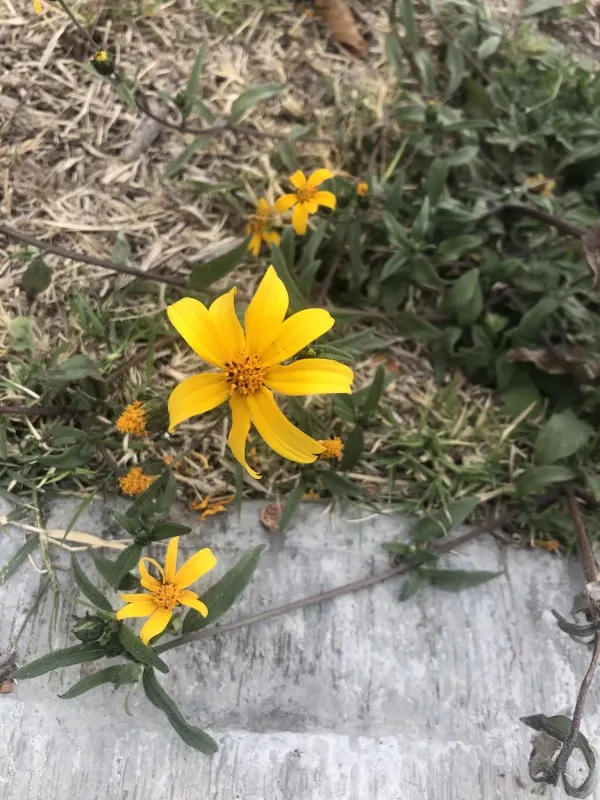
Description
Growing requirements
Aldama dentata is a herbaceous plant species belonging to the Asteraceae family. Known for its taxonomic proximity to the genus Helianthus, it exhibits similar growth habits and ecological adaptations to wild sunflowers found in various regions of the Americas.
The plant originates from Mexico and Central America, thriving in regions with well-drained soil and a warm, sunny climate. It prefers loam or sandy soil types that do not retain excess water, which could otherwise lead to root stress or fungal pathogen development.
Climatic requirements are specific to tropical and subtropical zones. Aldama dentata requires significant solar radiation for optimal photosynthetic performance, making it unsuitable for shaded or highly overcast environments.
Soil nutrient management is essential during the vegetative stage. The crop responds well to organic fertilization, which enhances soil structure and water-holding capacity, allowing the plant to better withstand sporadic dry spells throughout the growing season.
Proper cultivation techniques involve consistent weed control during the early development stages. Ensuring correct plant spacing is vital to allow for sufficient air circulation, which prevents the development of moisture-related diseases within the crop canopy.
Main diseases and pests
Powdery mildew is a primary concern for Aldama dentata in humid environments. The appearance of white spots on leaves necessitates prompt action, typically involving the application of appropriate antifungal sprays or cultural modifications like spacing improvement.
Root rot, driven by stagnant water and poor soil drainage, poses a severe risk to the longevity of the plant. Field preparation should prioritize elevation or leveling to ensure water runoff, significantly reducing the chances of infection in the root zone.
Aphid infestations are frequently observed on younger, succulent stems. These pests can weaken the plant by feeding on its sap and may also act as vectors for various plant viruses, necessitating a monitoring program to detect outbreaks early.
Leaf-eating insects, including various beetle larvae, can cause significant cosmetic and physiological damage. If the damage threshold is exceeded, localized or systemic pest control interventions may be required to protect the crop's yield potential.
Nematodes represent a persistent soil-borne threat. The management of nematode populations relies heavily on rotating Aldama dentata with non-host crops to break the life cycle of these microscopic parasites and maintain soil health.