
Albizia schimperiana
Albizia schimperiana
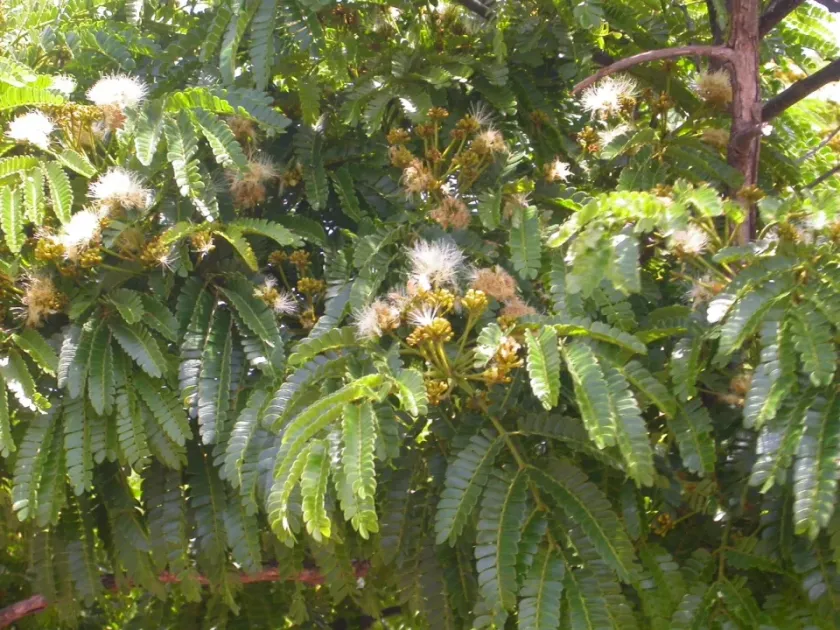
Description
Growing requirements
Albizia schimperiana is a fast-growing, deciduous tree species belonging to the Fabaceae family. Known for its wide-spreading, umbrella-shaped canopy, it serves as a critical biological component in various African landscapes, providing shade and wind protection.
Originating from the tropical regions of Africa, this tree typically thrives in mountainous habitats, often appearing in upland forests and wooded grasslands. It is highly valued for its ability to adapt to varying elevations, provided the climate remains humid and relatively stable.
Regarding soil requirements, this species performs best in deep, well-drained loamy soils. It is particularly noted for its nitrogen-fixing capabilities, which enable it to thrive in nutrient-poor environments while simultaneously enhancing the soil quality for surrounding crops.
Agrotechnical practices for this tree involve careful site selection and spacing. While the species is relatively drought-tolerant once established, young saplings require consistent care and protection to ensure survival and uniform vertical growth during the initial development phase.
In terms of agricultural and commercial use, the tree is extensively employed in agroforestry systems as a shade provider for tea and coffee plantations. Additionally, its wood is utilized for furniture making, and its leaves are harvested as nutritious fodder for livestock.
Main diseases and pests
The primary threats to Albizia schimperiana include root rot and fungal infections, which are commonly triggered by poor drainage or overly humid conditions. Furthermore, the tree can be susceptible to various wood-boring insects that may affect long-term structural integrity.