
Albizia procera
Albizia procera
Description
Growing requirements
Albizia procera, commonly known as the tall albizia, is a deciduous tree belonging to the Fabaceae family. Native to South and Southeast Asia, this species is widely distributed across tropical and subtropical regions, spanning from the Indian subcontinent to northern Australia.
The tree thrives in climates with a distinct dry season and is remarkably adaptable to various soil conditions. It can grow in sandy, loamy, and even rocky soils. Because of its nitrogen-fixing capabilities, it is highly valued for agroforestry systems aimed at soil enrichment and erosion control.
Cultivation practices emphasize the importance of light and space. As a fast-growing pioneer species, it requires full sunlight for optimal development. Planting is typically conducted at the onset of the rainy season to allow seedlings to establish a deep root system before the dry period.
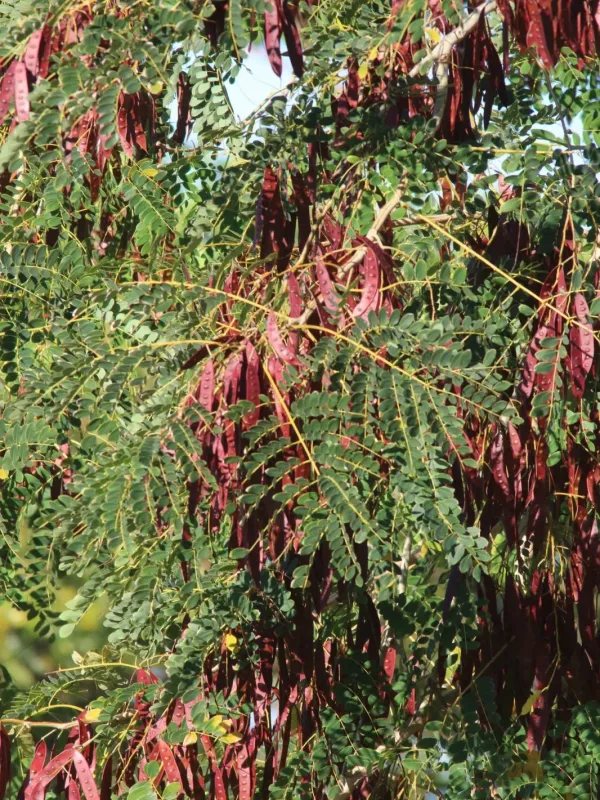
Botanically, it features a smooth, light-colored bark and a dense, umbrella-shaped canopy. The leaves are bipinnate, and the tree produces creamy-white flowers during the blooming season. The fruit is a thin, flat pod containing multiple seeds, which are easily disseminated by wind.
Economically, Albizia procera is a significant source of high-quality timber. The wood is dense, strong, and relatively resistant to decay and insect attacks, making it a preferred material for furniture, interior construction, agricultural tools, and various woodcraft products.
Main diseases and pests
Seedlings and young trees are susceptible to defoliating insects, including various species of lepidopteran larvae. Monitoring for early signs of infestation is crucial, especially within the first two years of plantation establishment to ensure healthy growth.
Fungal pathogens such as damping-off can affect seedlings in nursery conditions if humidity levels are not properly managed. Providing adequate ventilation and using sterilized substrates helps prevent significant losses during the initial propagation phase.
Stem borers pose a localized threat to mature trees. These pests penetrate the bark and internal wood tissues, potentially weakening the structural integrity of the tree. Implementing sanitary measures, such as removing infested wood, is standard practice in commercial forestry.
Root rot, frequently associated with poor drainage, remains one of the most common physiological disorders. Proper site selection and land preparation are essential to avoid waterlogging, which often leads to the death of the root system.
Environmental stresses like extreme fire hazards in dry climates represent a significant risk to young stands. Maintaining firebreaks and managing ground vegetation is a critical component of the overall security strategy for Albizia procera plantations.