
Albizia niopoides
Albizia niopoides
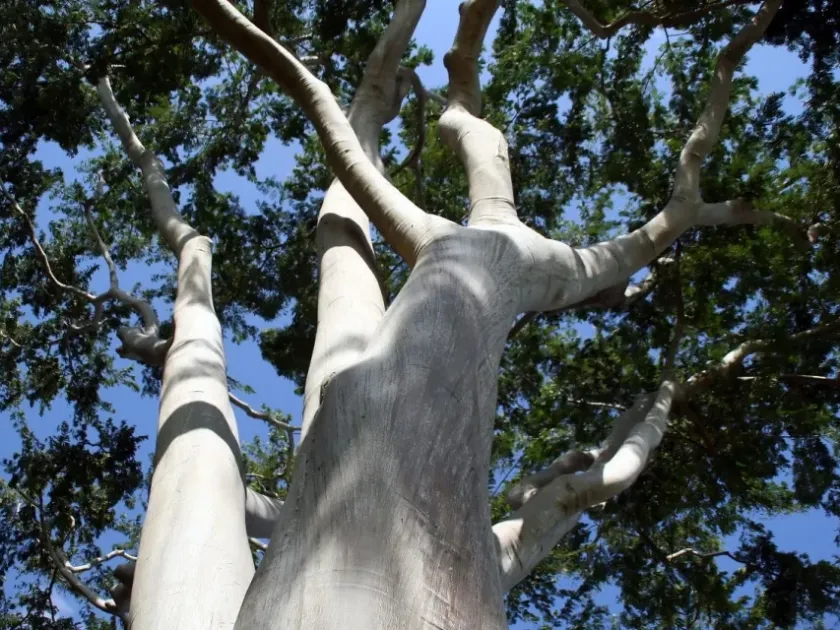
Description
Growing requirements
Albizia niopoides is a significant deciduous tree species within the Fabaceae family, native to the tropical forests of Central and South America. It serves as an essential component of forest ecosystems and provides various benefits in agriculture.
The tree thrives in well-drained, fertile soils but displays remarkable resilience, often growing in rocky or calcareous areas. This adaptability makes it an excellent candidate for the restoration of degraded tropical landscapes.
Albizia niopoides is a heliophilic species that requires full sun exposure to reach its optimal growth rate and crown development. It is well-suited to tropical climates, generally requiring temperatures between 20°C and 30°C to flourish.
In its native habitat, the tree inhabits both humid lowlands and drier regions, showing a high level of drought tolerance once established. Its ability to fix nitrogen contributes significantly to soil fertility improvement.
Agricultural management requires the control of competitive weeds during the early years of development. Minimal irrigation is usually sufficient, as the tree is designed to survive periodic dry seasons through a deep root system.
Yield
The primary agricultural output of Albizia niopoides is its high-quality timber. The wood is valued for its moderate density, workability, and aesthetic properties, making it highly suitable for commercial use.
In the timber industry, this species is used for furniture manufacturing, interior flooring, and plywood production. Its durability and grain pattern provide a competitive edge in various construction and decor sectors.
Beyond its timber value, the tree is widely utilized in agroforestry systems. By acting as a living windbreak, it protects neighboring crops, prevents soil erosion, and modifies local microclimates effectively.
The fallen foliage of the tree serves as a natural fertilizer. The rapid decomposition of its leaves enriches the topsoil with organic matter and nitrogen, which directly increases the yields of co-planted agricultural crops.
Commercial plantations are increasingly incorporating this species to balance immediate agricultural production with long-term forestry returns. It provides a multi-purpose yield that sustains the farmer's economic output.
Main diseases and pests
Root rot caused by waterlogged soil represents the most significant threat to the health of these trees. Implementing proper site selection and ensuring efficient drainage are critical preventive measures.
Insect pests, particularly wood-boring beetles, can affect the stability of the trunks in mature stands. Routine monitoring of the plantation is essential to prevent large-scale damage to the wood quality.
Fungal infections of the foliage can occur in overly humid conditions. Maintaining adequate space between trees ensures sufficient airflow, which is a standard procedure to mitigate the risks of these infections.
Intense competition from invasive grasses can suppress growth in young trees. Regular manual or chemical weeding in the immediate vicinity of the stem is mandatory for healthy development in the first two years.
Despite these threats, Albizia niopoides is relatively robust and shows low susceptibility to many widespread agricultural pathogens, making it a reliable option for diversified tropical farming systems.