
Albizia lucidior
Albizia lucidior
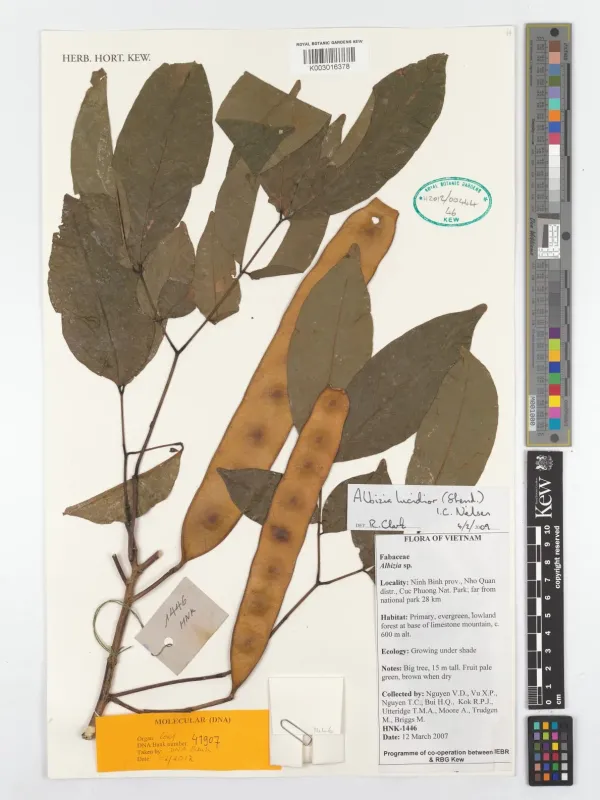
Description
Sowing dates
Sowing Albizia lucidior seeds in nurseries is typically performed in early spring, often preceded by scarification of the seed coat to enhance germination rates. Seeds are planted in a prepared, well-draining substrate at a depth of 1–2 centimeters, ensuring constant temperature and moisture.
Using a nursery method is preferred for monitoring the development of the root system during the first months. Seedlings should be transplanted into the field after the risk of frost has passed and the soil has reached adequate warmth for active growth.
In tropical regions, the best time for transplanting is the start of the rainy season, which provides natural irrigation for successful establishment. Planting density depends on the intended use, such as landscape ornamentation or reforestation projects.
In the wild, the species reproduces primarily through seeds dispersed by wind or fauna, requiring timely harvesting of mature pods. When cultivating commercially, it is vital to maintain high sterility of the growing medium to ensure seedling health.
Young plants require shading during the first year as they are sensitive to intense direct sunlight immediately after transplanting. Regular monitoring allows for the early detection of issues and ensures the development of a sturdy trunk.
Growing requirements
Albizia lucidior is a member of the Fabaceae family and is known as a fast-growing tropical tree. It thrives in well-drained, fertile soils but displays significant adaptability to various soil types, including loams and sandy substrates.
The culture requires a warm climate with sufficient moisture for optimal development. It is highly sensitive to severe frost, which limits its primary cultivation range to the tropical and subtropical regions of Asia.
The tree is photophilous, though it can tolerate partial shade in its juvenile stage. High atmospheric humidity promotes rapid biomass growth and maintains the tree's ornamental appeal, characterized by a dense, glossy foliage.
Wind protection is essential, especially for young trees with fragile branches. While the species exhibits moderate drought tolerance, supplementary watering is necessary during extended dry periods to maintain vegetative momentum.
The tree is a nitrogen-fixing species thanks to a symbiotic relationship with nodule bacteria, making it an excellent candidate for soil restoration. It does not perform well in saline conditions or areas with waterlogged, stagnant soil.
Yield
The economic value of Albizia lucidior lies in its rapid accumulation of wood biomass. Under favorable conditions, it demonstrates high growth rates, making it a promising candidate for large-scale reforestation and land rehabilitation.
In agroforestry, yields are measured by both timber volume and leaf litter, which serves as a high-quality source of organic matter. The fallen leaves decompose rapidly, significantly improving nutrient levels in the topsoil.
When used as fodder in traditional agricultural systems, the output of green mass is the primary metric. The tree actively regenerates its canopy, allowing for periodic pruning without compromising the overall health of the plant.
Timber productivity is contingent upon the chosen planting scheme, with intensive plantations offering high-quality material for cabinetry and pulp production. The primary focus of cultivation remains the long-term sustainability of the trees.
Economic efficiency is closely linked to the nitrogen-restoration potential of the soil. Integrating this culture into farming systems can substantially reduce the need for synthetic fertilizers for neighboring crops.
Main diseases and pests
The primary threats to Albizia lucidior include fungal diseases of the root system, often exacerbated by waterlogged soil. Root rot can lead to tree decline if proper drainage is not maintained throughout the growing site.
Among pests, various insect larvae pose the greatest danger by damaging the bark and vascular tissues. Cases of leaf-eating insects are also observed, which can significantly reduce the tree's ornamental value and growth rate.
Leaf spot is a common disease when trees are grown in humid conditions with poor air circulation. Implementing preventive treatments with bio-fungicides and maintaining proper spacing are essential for disease control.
Nematodes may parasitize the roots, particularly in exhausted soils, necessitating soil health management practices. Avoiding monoculture planting is recommended to mitigate the risk of pest outbreaks and disease transmission.
Biotic threats also include mistletoe and other parasitic plants that can weaken the tree over time. Regular sanitary pruning and the removal of infected branches are crucial for maintaining the health and longevity of the plantation.