
Albizia lebbekoides
Albizia lebbekoides
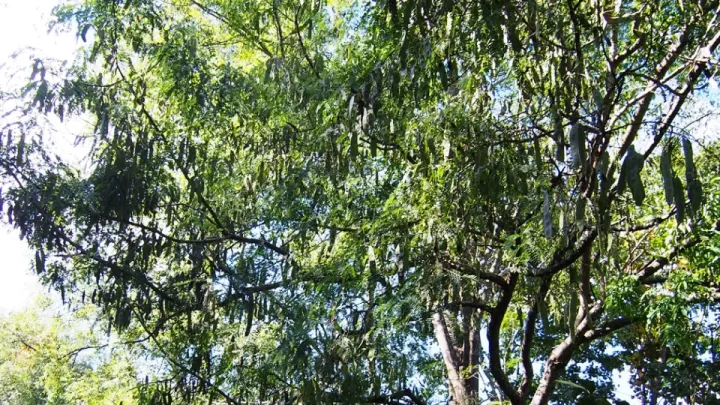
Description
Sowing dates
Propagating Albizia lebbekoides typically starts with seed treatment, as the seeds possess a hard seed coat that delays natural germination.
Manual scarification or soaking seeds in warm water for 24 hours is essential to increase germination rates and ensure uniform seedling emergence.
Planting should be timed with the onset of the rainy season to provide the seedlings with natural moisture for establishment without extra irrigation.
Seeds are sown at a depth of approximately 1-2 centimeters in well-prepared nursery beds or directly into pits in the field.
Young trees require protection from competition during the first year, meaning regular weeding around the base of the plant is vital for healthy growth.
Growing requirements
Albizia lebbekoides belongs to the Fabaceae family and is highly valued for its ability to thrive in a variety of tropical and subtropical environments.
The tree prefers well-drained soils, showing remarkable resilience to poor fertility, which makes it ideal for rehabilitating degraded landscapes.
Sunlight exposure is a critical requirement, as this species performs best in full sun, where it can develop a wide and dense canopy.
It is well-adapted to areas with alternating wet and dry seasons, demonstrating excellent tolerance to periodic droughts once fully established.
Its natural capacity for nitrogen fixation allows it to improve soil health, acting as a green manure source for surrounding agricultural plots.
Yield
The primary economic use of this species is timber production, as the wood is of good quality and suitable for various carpentry and craft purposes.
In agroforestry systems, the tree provides high-protein foliage that serves as valuable fodder for livestock during feed-scarce periods.
The tree is frequently used for soil stabilization projects due to its deep root system, preventing erosion on slopes and banks.
Its flowers offer significant benefits to local biodiversity, attracting bees and serving as a crucial component for apiculture.
As a windbreak, the tree helps mitigate the drying effects of wind, creating a favorable microclimate for more sensitive adjacent crops.
Main diseases and pests
While generally hardy, seedlings can be prone to aphid infestations that can retard growth if not monitored and treated during the early stages.
Poorly drained sites represent the greatest threat to the tree's health, as waterlogging often leads to root rot caused by fungal pathogens.
Leaf-eating caterpillars may occasionally cause cosmetic or localized damage, but usually do not pose a severe threat to established mature trees.
Maintaining proper spacing between trees is recommended to promote airflow and minimize the risk of spreading fungal spores during rainy weather.
Routine maintenance, including the removal of dead or decaying branches, helps keep the trees vigorous and resilient against common pests.