
Albizia kalkora
Albizia kalkora
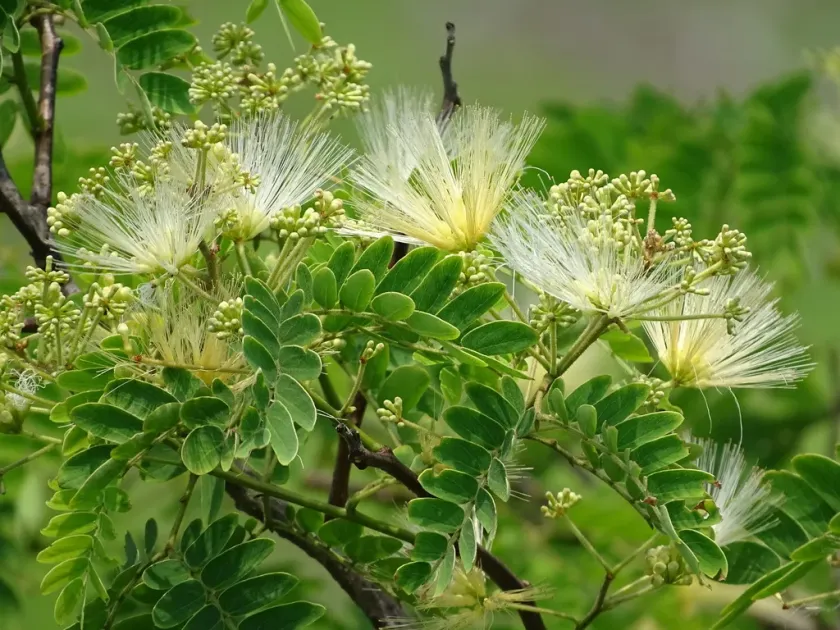
Description
Sowing dates
The propagation of Albizia kalkora, a member of the Fabaceae family, is typically initiated in the spring once the threat of frost has completely subsided. Seeds require pre-sowing treatment, specifically scarification or soaking in warm water for 24 hours, to ensure uniform germination.
Seeds should be sown in nursery beds or containers at a depth of approximately 2–3 centimeters. Providing a consistent ambient temperature of 18–20 degrees Celsius is crucial to achieving high germination rates within the first few weeks of the growing season.
Young seedlings require attentive care, including moderate and regular watering during their first two years of development. Ensuring proper soil moisture balance is vital to avoid seedling mortality, as the root system is sensitive to both extreme drought and waterlogging.
Transplanting to the final site should be performed once the saplings reach 50–70 centimeters in height. Great care must be taken to minimize root disturbance, ideally using a container-grown method to preserve the integrity of the delicate lateral root system.
During the nursery phase, thinning and spacing are essential practices to ensure robust stem formation. Proper air circulation between seedlings is a key factor in preventing early-stage damping-off diseases and promoting structural health in young plants.
Growing requirements
Albizia kalkora is a sun-loving species that thrives in open locations with direct sunlight exposure. Sufficient light intensity is critical for maintaining healthy foliage density and supporting the tree’s vigorous growth rate during the active season.
The species demonstrates excellent adaptability to various soil types, although it performs best in well-drained sandy or loamy soils. Good drainage is paramount to prevent root suffocation, especially in regions with heavy seasonal precipitation.
As a legume, this tree is capable of biological nitrogen fixation, which allows it to thrive in soils with moderate nutrient availability. This trait makes it a highly sustainable choice for reforestation projects or agroforestry systems aiming to improve soil fertility.
The tree prefers neutral to slightly alkaline soil conditions. While it is tolerant of a range of pH levels, extreme acidity should be corrected with lime application before planting to optimize nutrient uptake and overall metabolic function.
Climate suitability is focused on subtropical zones where mild winters predominate. Although mature trees possess some frost resistance, young saplings should be protected during cold snaps to avoid dieback of the primary terminal shoot.
Main diseases and pests
Leaf-eating insects, including various caterpillar larvae and beetles, represent the most common biological threat to Albizia kalkora. Integrated pest management strategies, such as attracting natural predators, are recommended for large-scale plantings.
Fungal pathogens such as Fusarium wilt and anthracnose can compromise plant health under conditions of excessive humidity. Ensuring adequate spacing between trees to facilitate airflow significantly reduces the risk of such infections spreading within a plantation.
Root-knot nematodes can potentially affect trees planted in infested soil, causing stunted growth and poor vitality. Pre-planting soil analysis and the selection of pathogen-free nursery stock are essential preventative measures for long-term health.
Powdery mildew may occur during periods of high humidity and poor ventilation, characterized by a white fungal mat on the leaves. Timely application of approved fungicides and removal of infected debris are effective control methods.
Mechanical damage to the trunk must be avoided to prevent the entry of wood-decay fungi. Any necessary pruning should be done with sharp, sterilized tools, and wounds should be treated with appropriate sealants to facilitate rapid natural healing.